
Last updated November 23, 2026
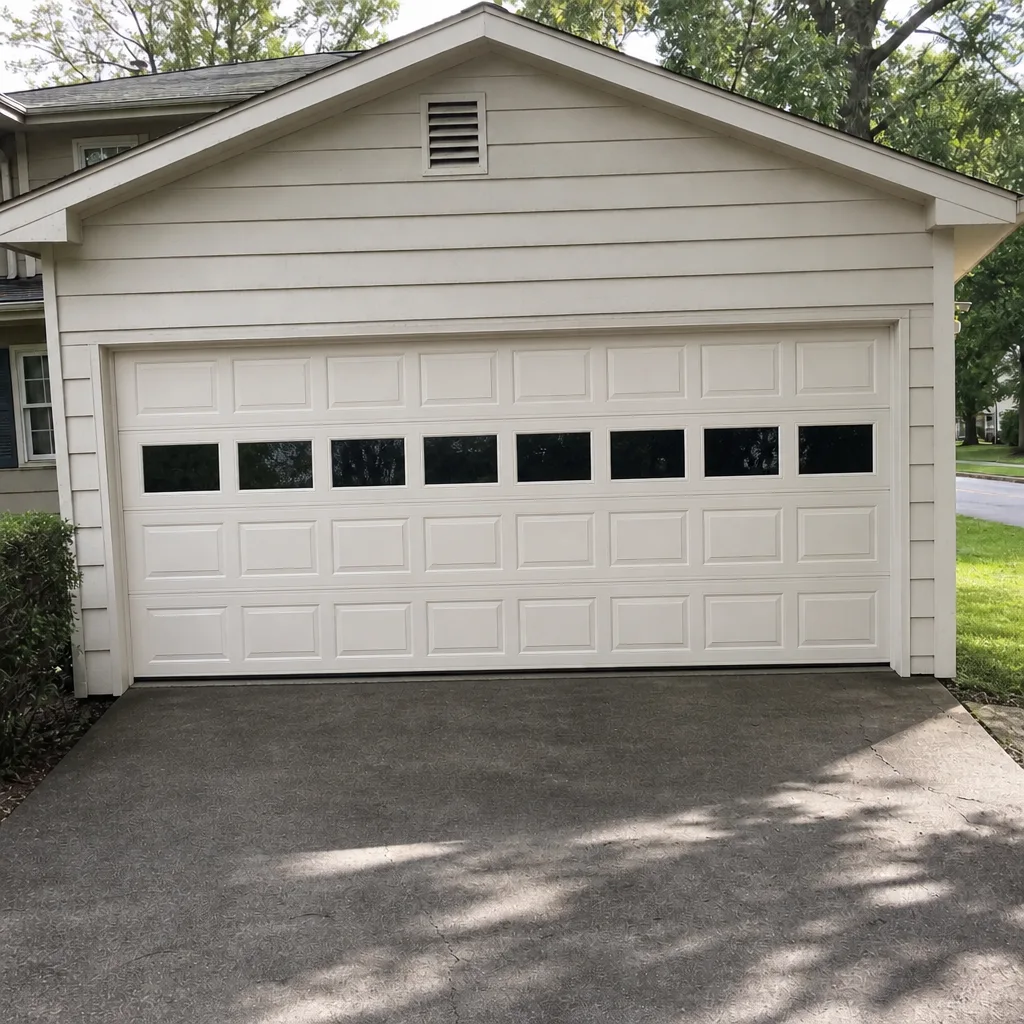
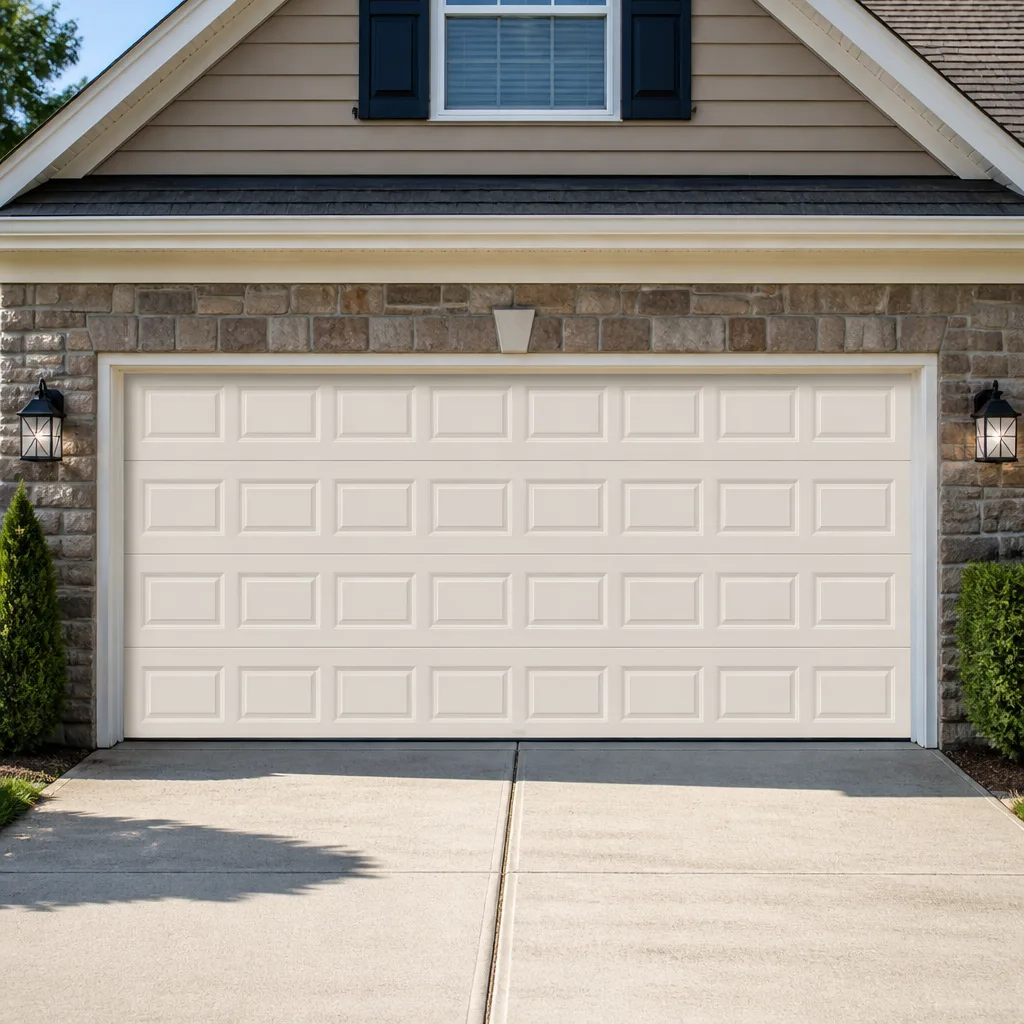 Raised-panel steel
 Carriage house
 Modern flush
 Full-view glass
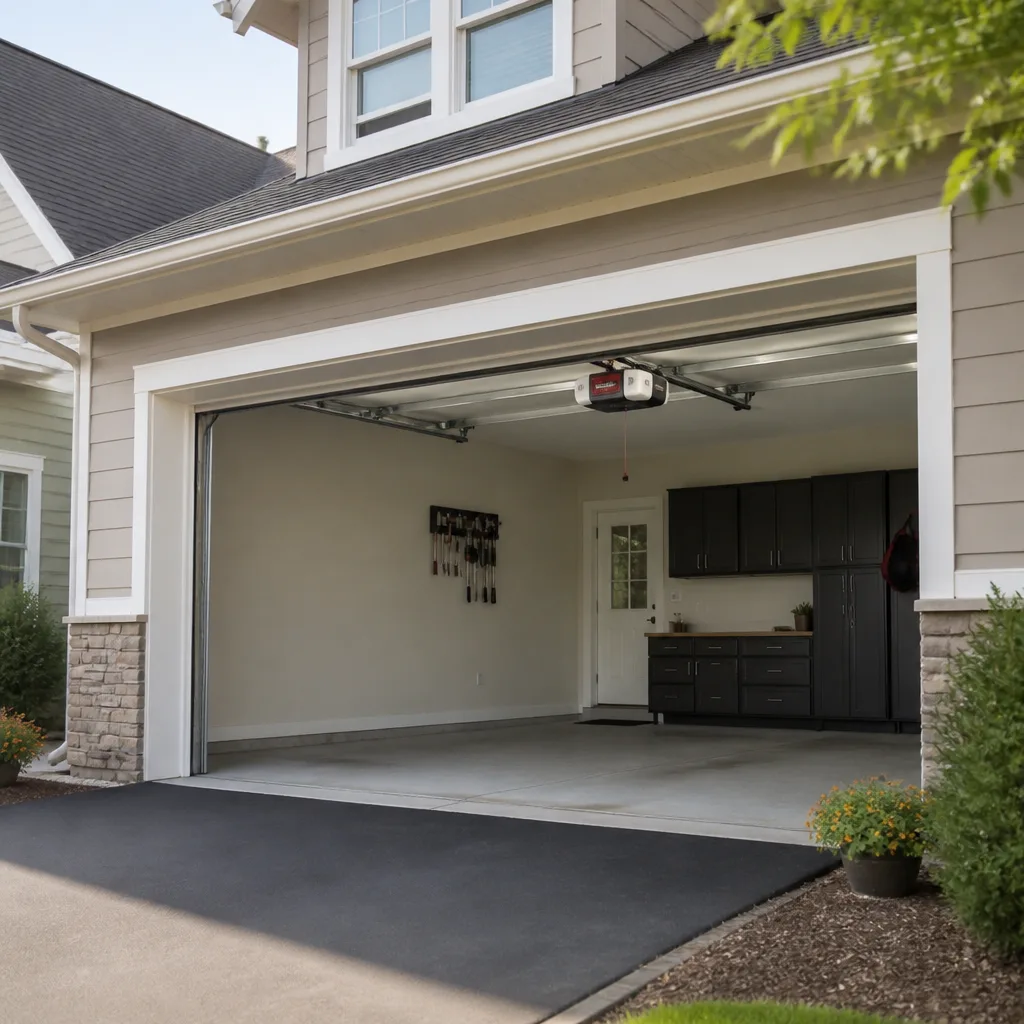 LiftMaster openers
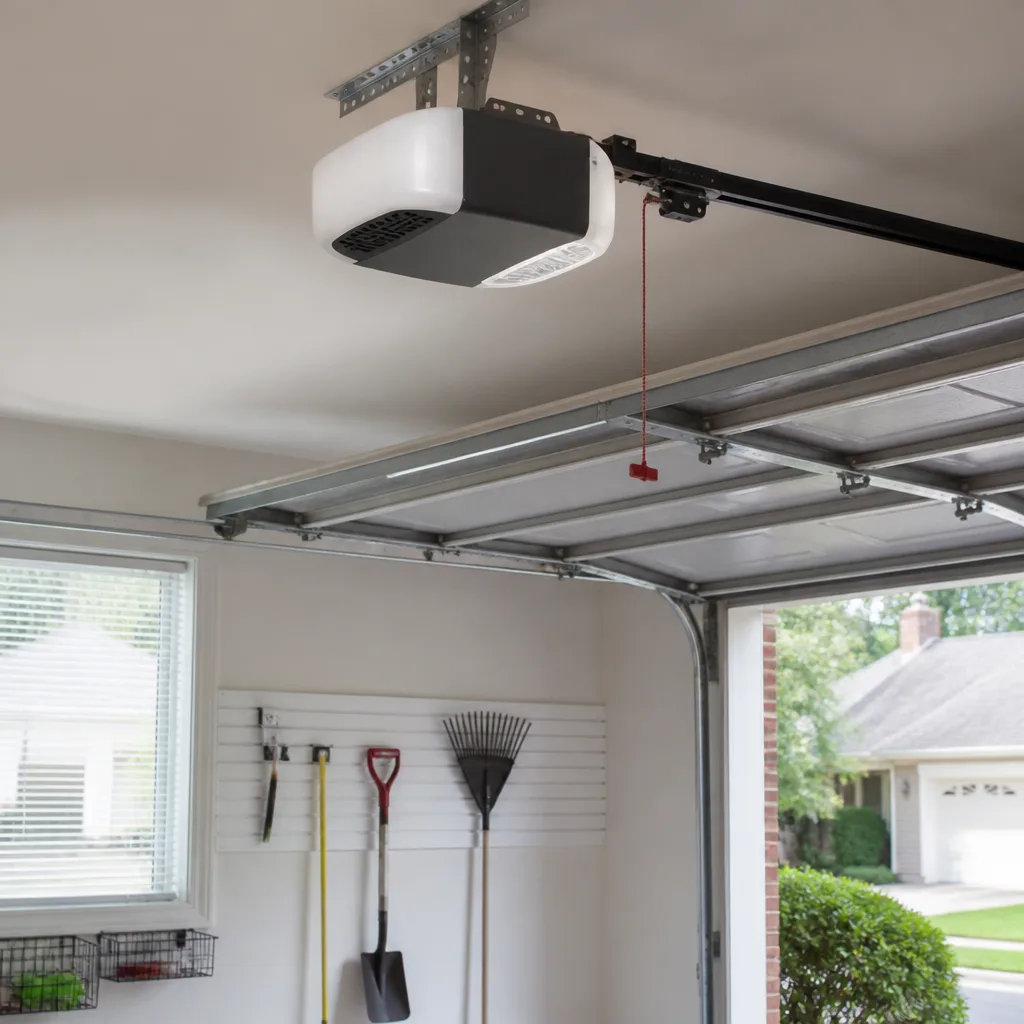 Chamberlain openers
Full 25-point door and opener safety check with every visit - springs, cables, rollers, tracks, and your LiftMaster or Chamberlain opener included
You get a price before we start. It does not change when the pro arrives.
Get your free estimateGarage Door Repair Maintenance Checklist for Peachtree City Homeowners
The number one reason a garage door spring snaps without warning isn’t age. It’s that the small corrosion and stress signals sat there for months and nobody knew what to look for. A spring rarely fails out of nowhere – it thins, pits, and loses coil tension in a slow, visible progression that most homeowners walk past every morning. The same is true of a rotting bottom seal, a fraying cable, or an opener that’s been straining against a dragging door. This guide replaces the vague “lubricate moving parts” checklist with pass/fail tests you can actually run in your Peachtree City driveway, tied to the specific wear patterns we see on doors in this climate.
Quick Answer
A workable garage door maintenance checklist for Peachtree City homeowners covers four things: spring condition, cables and bottom seal, balance and travel, and opener performance. Inspect springs monthly for rust pitting and gap formation, check seals and cables seasonally because Georgia humidity speeds up rot and fraying, test door balance every few months, and log everything. Any spring defect or frayed cable means stop using the door and call a professional – those are safety-critical parts.
Styles & brands we work with
- Raised-panel steel
- Carriage house
- Modern flush
- Full-view glass
- LiftMaster openers
- Chamberlain openers
Table of Contents
- Spring Inspection: A Pass/Fail Protocol
- Why Georgia Humidity Changes Your Inspection Schedule
- The Balance Test, Explained Mechanically
- Lubrication: What Gets Silicone, What Gets Grease, What Gets Nothing
- Opener and Safety-Reverse Checks
- Your Garage Door Log: What to Track and Why
- A Seasonal Calendar for Peachtree City Doors
- Common Mistakes to Avoid
- When to Call a Professional
- Frequently Asked Questions
Spring Inspection: A Pass/Fail Protocol
A torsion spring passes inspection when its coils are evenly spaced, the steel is uniformly finished, and there’s no rust blooming from between the coils. It fails when you can see corrosion pitting, a gap opening in the coil stack, or deformation where individual coils look flattened or splayed. That’s the whole test – and it takes about ninety seconds per spring.
Here’s the protocol we walk homeowners through. Do it with the door closed and the opener disconnected, and never with your hands inside the spring mechanism itself.
- Look at the finish. A healthy spring has an even coating. Orange-brown speckling, especially where coils touch, is the first sign of pitting. Pitting is metal loss, and a spring that has lost metal has lost strength.
- Check coil spacing. Coils should sit at a consistent gap. If two coils are touching while the rest are spaced, or a gap has opened at one end, the spring is deforming under load.
- Look for a visible gap in the coil stack. On a torsion spring, a widening gap between the wound coils means the spring has stretched – a classic precursor to failure.
- Listen. A sharp bang or pop when the door opens is the sound of a spring giving out. If you hear it once, stop operating the door.
- Feel the door’s weight at the halfway point. Lift the door by hand to about waist height and let go. It should stay roughly put. If it drops hard or won’t stay up, tension has changed.
Extension springs, common on older single-car doors, have their own tell: look for a stretched, hooked-out shape and check the safety cable running through the center. If the safety cable is missing or slack, that’s a fail on its own. Springs are under extreme tension and can cause serious injury – this is a look-only inspection. A trained technician handles replacement, and that’s a rule we won’t bend. When it’s time, garage door spring repair includes a matched-pair spring replacement done safely.
Why Georgia Humidity Changes Your Inspection Schedule
Peachtree City summers run humid, and that humidity is the single biggest accelerator of garage door wear in this part of Georgia. The comparison that matters: in a dry climate, a homeowner might get away with inspecting the bottom seal once a year and cables every other year. Here, we recommend checking the bottom seal every three months and cables every six – because moisture is doing quiet work on both.
The bottom seal is a rubber or vinyl strip, and in a humid garage it stays damp against the concrete floor. Rot starts at the edges where the seal meets the track and works inward. A failing seal shows up as hardening, cracking along the fold, or a black residue that won’t wipe off. It’s also the first thing that lets water, insects, and cool air into the garage.
Cables are galvanized steel, and galvanizing holds up well – until it doesn’t. Humidity, combined with the tiny amount of friction where the cable winds on the drum, wears the coating and starts corrosion. What you’re looking for:
- Fraying. Even one broken wire strand means the cable is compromised. It will not heal and it can fail catastrophically.
- Rust bloom. A rust-colored stain along the cable run, especially near the drum.
- Sagging. A cable that hangs loose when the door is down is a sign of a tension problem, not just wear.
- Uneven winding. Cable piling up on one side of the drum.
In Peachtree City’s climate, we also see rollers and hinges collect grit faster because the air carries more moisture, and moisture holds dust. It’s a small thing, but it’s the reason a door that was quiet two summers ago starts groaning. None of these checks require tools – just a flashlight and a few minutes.
The Balance Test, Explained Mechanically
A door that drifts down about three inches when you let go at halfway is telling you the springs are doing less work than they should – and the reason matters, because it’s not always spring tension. The balance test measures the tug-of-war between the spring system pulling up and gravity pulling down. When the door drifts, one side is winning.
Here’s how to read the result. Run the test with the door closed, opener disconnected, and the door lifted by hand to about waist height:
- Stays where you put it: Your springs are balanced. The tension is correct for the door’s weight.
- Drifts down an inch or two: Slightly under-tensioned. Often a sign of early spring fatigue or minor roller drag.
- Drops three inches or more: Under-tensioned enough to strain the opener and wear the springs faster. This is the classic “springs are tired” reading.
- Rises on its own: Over-tensioned. Rare, but it stresses the opener and the door panels.
- Drops hard or falls past halfway: Something is wrong with the spring system. Stop using the door.
Now the part most checklists miss: roller drag feels identical to weak springs on the balance test. Worn, dirty, or flat-spotted rollers resist the door’s travel and can make a perfectly tensioned door drift. So before you assume springs, look at the rollers – if any wobble, spin unevenly, or look flattened on one side, that’s your drag. The same is true of a hinge that’s bent or a track with a dent. A door that “feels heavy” might have healthy springs and a bent track, and vice versa. This is exactly why a proper diagnosis reads the whole system rather than replacing parts by guesswork. If your balance test fails and you’re not sure which side of the equation is the culprit, you want garage door repair rather than a parts swap.
Lubrication: What Gets Silicone, What Gets Grease, What Gets Nothing
Most homeowners lubricate the wrong parts with the wrong products, and it makes the door worse. The two rules that fix 90% of it: hinges, rollers, and bearing plates take a silicone or lithium spray, and the tracks and the spring itself take nothing at all. That second half is the part people get wrong.
- Silicone spray: Hinges, roller stems (not the roller wheels themselves on nylon rollers), and the bearing plates on either end of the torsion bar. A light coat, not a soaking.
- Lithium grease: The torsion bar winding the spring around it. This is the one place grease belongs – it’s a high-friction rotating surface that lives inside the mechanism.
- Nothing: The door tracks, the spring coils, the opener rail, and the safety eyes. Track lubrication turns them into dust magnets – the tracks are supposed to be clean and dry so the rollers can roll freely. Spring coils attract grit and hold it, which accelerates pitting. The opener rail with a belt or screw drive should follow the manufacturer’s instructions, not a generic rule.
On a Clopay or Amarr door, the manufacturer’s manual is the authority for what its specific hardware wants, and different models vary. When in doubt, read the door’s manual rather than guessing. Over-lubrication is a real failure – excess silicone on the rollers turns into a sticky film that collects grit and grinds the roller down faster than if you’d left it alone.
How often? Every six months for the spray points, and for the torsion bar grease, at each service visit. A door in Peachtree City gets the same schedule as anywhere else on this one – moisture changes seal and cable life, but the metal-on-metal friction points on the door itself are consistent.
Opener and Safety-Reverse Checks
Your opener passes if the door reverses when it meets an obstruction and the safety eyes stop it when the beam is broken. It fails if the door pushes through an obstruction or only reverses some of the time. Test both every month or two – the safety-reverse test is the one that protects a child, a pet, or a car, and it’s the simplest test on the whole list.
The obstruction test: Lay a piece of wood or a tightly rolled towel flat on the floor in the door’s path. Close the door. It should reverse immediately on contact. If it doesn’t, the opener’s force adjustment is set too high.
The safety eye test: With the door open, wave a hand or a broom handle through the beam at the base of the tracks. The door should stop and reverse. If nothing happens, one eye is misaligned, the lens is dirty, or a wire has come loose.
On LiftMaster, Chamberlain, and Genie systems, the opener stores error codes you’ll see as a repeated flash pattern on the motor unit. A door that flashes twice and stops is a different fault from one that flashes ten times and reverses. Writing the code down before you call is the difference between a diagnosis and a guessing game – and it’s the single most useful thing you can hand a technician. If your opener is a Genie or a Chamberlain that’s been struggling, that’s a garage door opener repair job, not a door job, and the fix is often a sensor, a gear, or a capacitor rather than a whole new unit.
One more check worth doing: listen to the opener. A grinding noise is usually a worn gear or sprocket. A single click with no movement is a logic board or capacitor. Neither gets better on its own.
Your Garage Door Log: What to Track and Why
A one-page log taped inside the garage door frame turns guesswork into a pattern. The single most useful entry is the date of the last spring replacement – springs are rated in cycles, and knowing when yours went in tells you how much life is left. Track these:
- Service dates. When springs were replaced, when cables were last checked, when the opener was last serviced.
- Spring cycle count. Most quality springs come stamped with a cycle rating. Note yours and the date installed. Standard springs are commonly rated for about 10,000 cycles; high-cycle springs run much longer. One open-and-close is one cycle, so a household that leaves twice a day is running about 730 cycles a year.
- Opener error codes. The flash pattern you saw and the date. A code that showed up once and went away is worth knowing about; a code that keeps repeating is a pattern.
- Balance test results. Date and what the door did – stayed, drifted, dropped. Over time you’ll see the drift start.
- Seal and cable condition. Note when you last replaced the bottom seal or spotted a cable issue.
- Brand and model. Knowing you have a Chamberlain opener with a Clopay door and Amarr panels saves a technician guessing and saves you a call. Write it down once.
If a technician does work on your door, ask them to note what they did on the same sheet. It’s the difference between a service history and starting from zero every time. We like this because it means the next diagnosis starts with facts, not “I think it’s been a few years.”
A Seasonal Calendar for Peachtree City Doors
Peachtree City’s weather has two pressure points: a humid, storm-heavy summer and a winter that brings the occasional hard freeze. Your door feels both. Here’s a workable calendar:
- Spring (March): Full visual inspection. Springs, cables, rollers, hinges, bottom seal. Run the balance test and log it. This is also the month to check tracks for any winter damage.
- Early summer (June): Check the bottom seal for rot as humidity climbs. Clean and lubricate the hinges, rollers, and torsion bar. Test safety reverse.
- Late summer (August): Peak humidity. Re-check the seal and cables – this is the month rot and rust move fastest in Peachtree City. Look for any black staining under the door.
- Fall (October): Full lubrication pass. Test the opener and safety eyes again. Note any error codes. Lube the weather stripping at the door edges.
- Winter (December to February): Cold snaps are hard on seals and can stiffen old grease. Check that the door still moves freely in the cold, and that the opener isn’t straining.
The balance test is the one thing to do more often than the calendar says – monthly is fine, and it takes two minutes. Fail it twice in a row and that’s a call.
Common Mistakes to Avoid
- Lubricating the tracks. The most common mistake, and the worst one for wear. Wet tracks collect grit that grinds the rollers down. Keep them clean and dry, and wipe them with a dry cloth instead.
- Lubricating the spring coils. Spring grease attracts the dust that causes pitting – the corrosion that shortens spring life in a humid climate. The torsion bar takes grease; the spring itself should stay clean.
- Winding or adjusting a spring yourself. A torsion spring holds enough stored energy to break a bone or worse. This is the one job where a trained professional is always the right call.
- Ignoring a broken cable because the door still opens. Cables can fail without the door failing entirely – until it does. A single broken strand is a stop-and-call.
- Skipping the balance test because the door “seems fine.” A drifting door strains the opener and wears the panels, and the fix is usually cheaper than the damage. Test it.
- Not noting the opener error code. A flash pattern written down saves a diagnosis and can save an unnecessary parts replacement.
- Treating a bottom seal as cosmetic. In Peachtree City, a rotting seal lets water and humid air into the garage, which feeds rust on everything stored inside and on the door’s own hardware.
When to Call a Professional
Call a professional for any of the following: a spring that has failed or deformed, a frayed or broken cable, a track that’s bent or out of plumb, a balance test that fails twice in a row, a door that reverses erratically, a bent panel from contact, or an opener that stores the same error code more than once. Also call if your door is more than 20 years old and has never had the springs serviced – spring failure gets more likely with age, and a technician can assess it before it happens. Peachtree City Garage Door Repair offers free estimates in Peachtree City – call (866) 937-8190. We answer 24/7. Fast dispatch from 7am to 7pm, Sunday through Friday. One call covers the repair, the springs, the opener, and the door if it comes to that – and the price is quoted and agreed before any work starts.
Frequently Asked Questions
Once a year for a full professional inspection, with monthly balance tests and a seasonal check of the bottom seal and cables yourself – because Peachtree City’s summer humidity accelerates seal rot and cable rust compared with drier climates. Call (866) 937-8190 for a free estimate if you’d rather have the inspection done once and documented.
Corrosion pitting on the coils, followed by a widening gap in the coil stack. A spring loses strength in stages, so pitting and a gap are the warning signs you’ll see months before a break. If you spot either, call (866) 937-8190 – estimates are free.
Not always. Drift of about three inches usually means the door is under-tensioned, but worn rollers or a bent track can produce the same reading. Check for flat-spotted or wobbling rollers first, then call (866) 937-8190 if the drift continues.
No. Tracks should stay clean and dry, and lubricant turns them into grit magnets that wear the rollers faster. Lubricate hinges, roller stems, and bearing plates with silicone spray, and grease the torsion bar only. Call (866) 937-8190 if you’re unsure which points yours needs.
Count the flashes on the motor unit – each brand uses different patterns, so a code of two flashes means something different from ten. Write the code and the brand down, then call (866) 937-8190 for an exact quote – estimates are free.
The opener’s travel limits or force setting are likely off, and the door is straining against the floor or the opener’s internal gear is worn. That’s an opener diagnosis, not a door problem. Call (866) 937-8190 for a free estimate on the fix.
The Bottom Line
A maintenance checklist works only when its tests tell you what to look for and what a bad result means. For Peachtree City homeowners that means: run the balance test monthly, inspect spring coils for pitting and gaps every time you think about it, check the bottom seal and cables seasonally because humidity here speeds up rot and rust, and keep a log of service dates, spring cycles, and opener codes. Never lubricate the tracks or springs, and never adjust a spring yourself – that’s the one job that always belongs to a trained professional. Do the small checks and the big failures get caught early. When something fails a test, our technicians have up to 8 years of experience on LiftMaster, Chamberlain, Genie, Clopay, Amarr, Wayne Dalton, Craftsman, and Raynor systems, and we’re ready to help put it right.
Call (866) 937-8190 for a free estimate. We answer 24/7. Fast dispatch from 7am to 7pm, Sunday through Friday. From a failed spring to a new door, one call covers it.
Written by the team at Peachtree City Garage Door Repair.
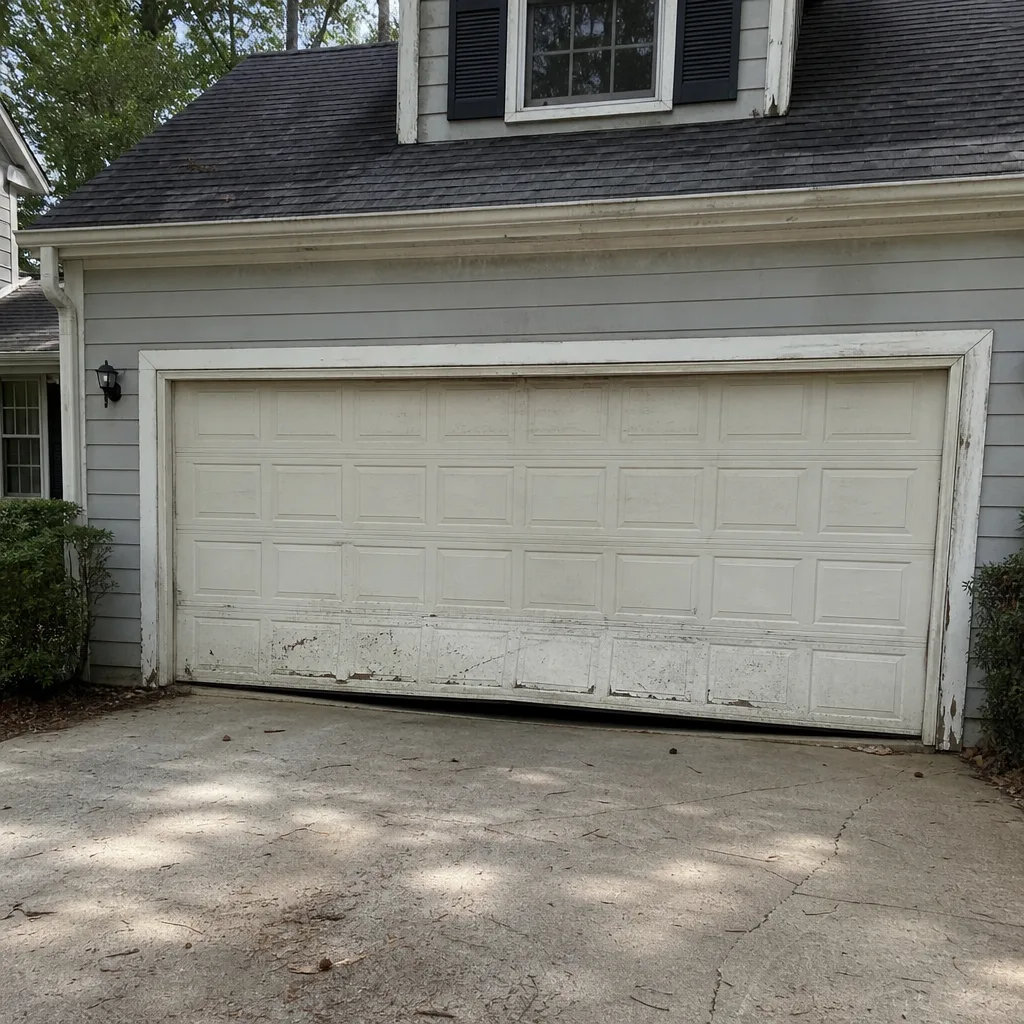
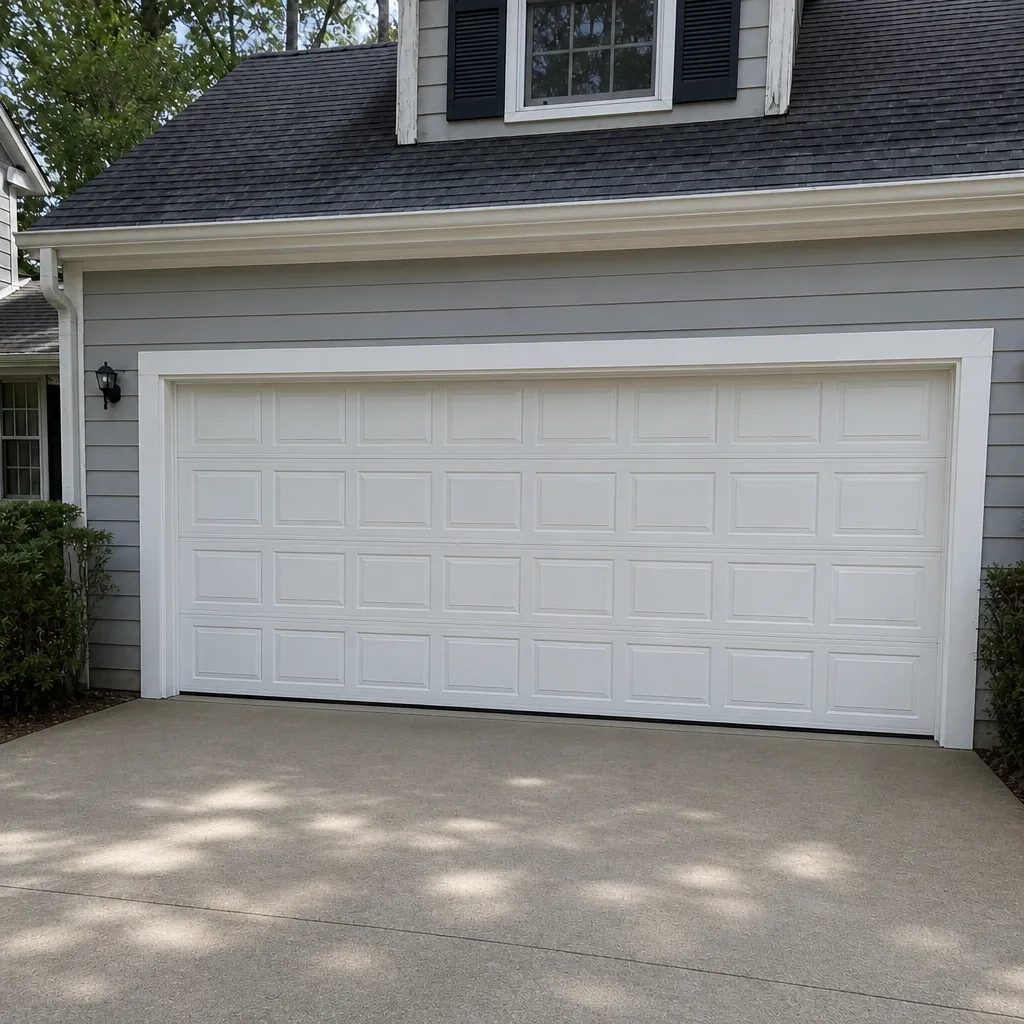
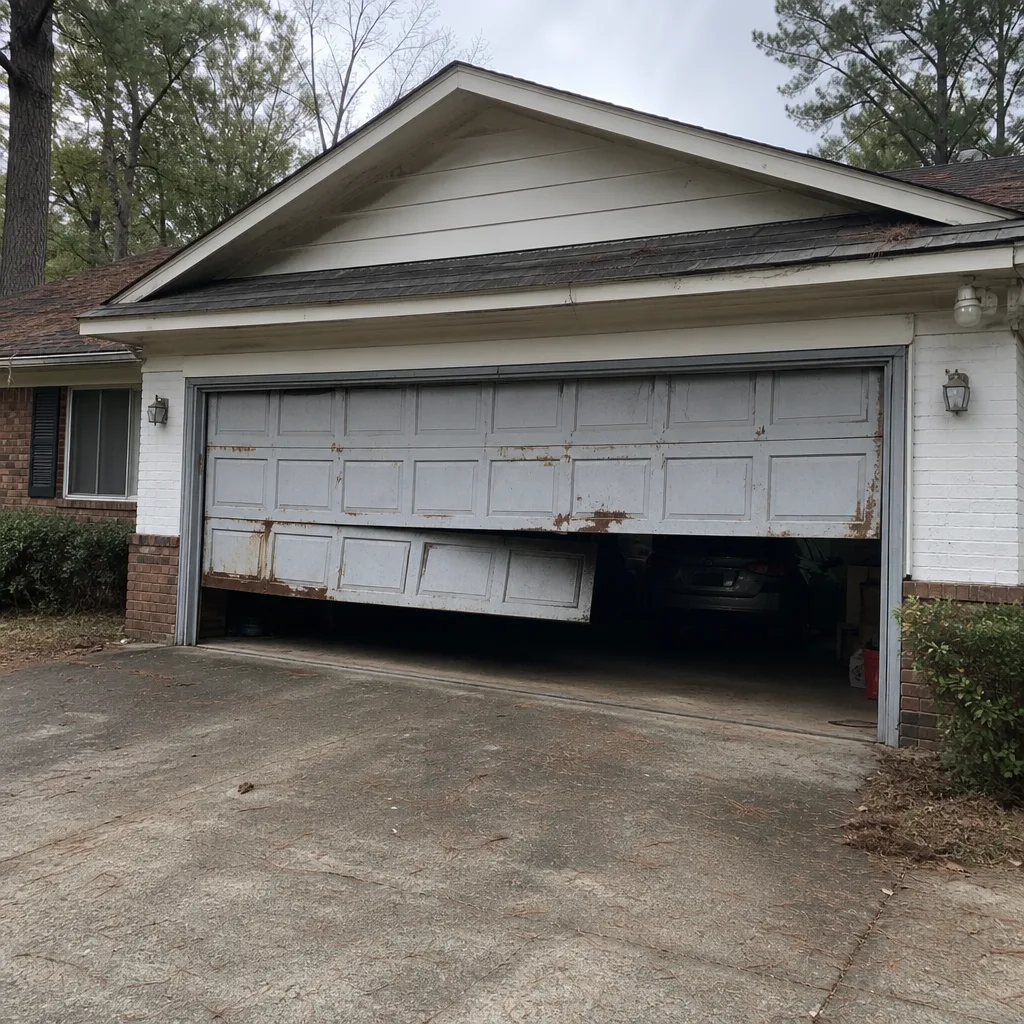
See the difference
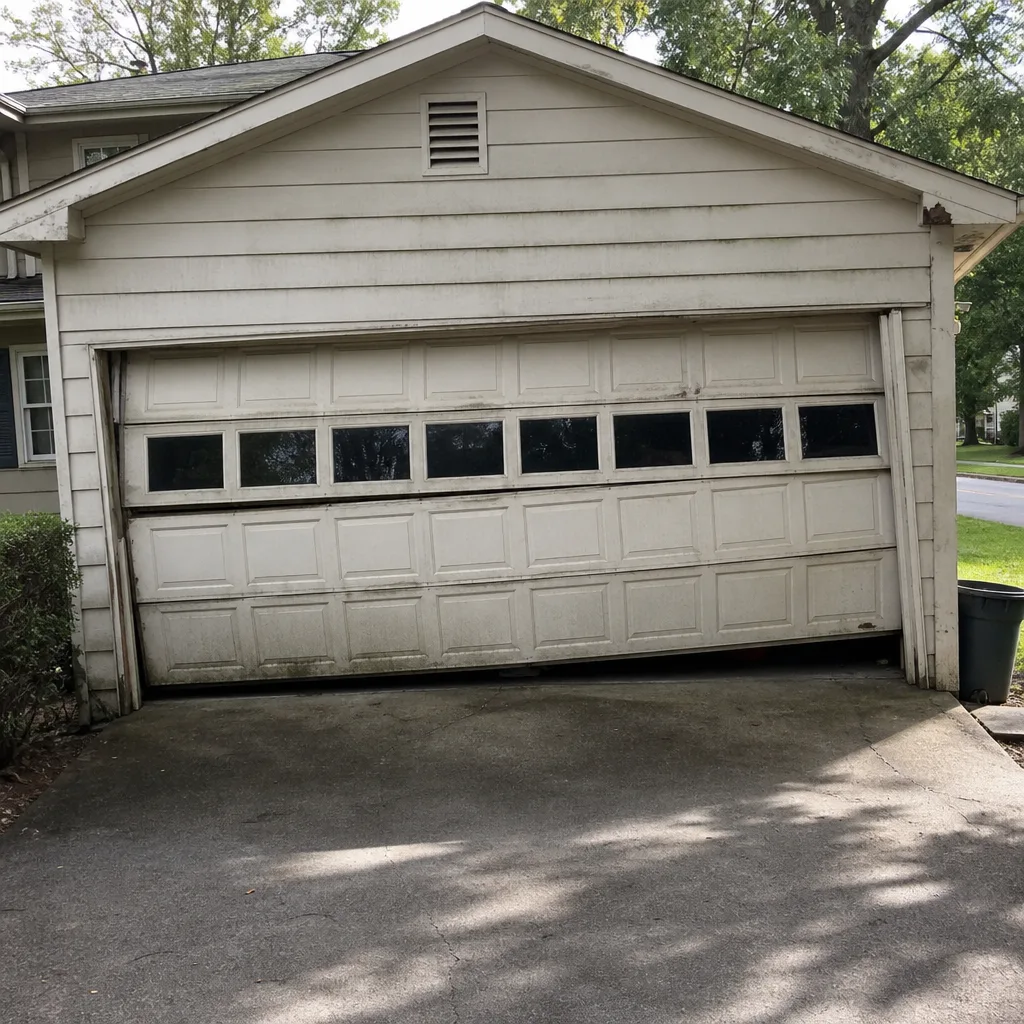 Before
 After
 Before
 After
 Before
 After