
Last updated November 23, 2026
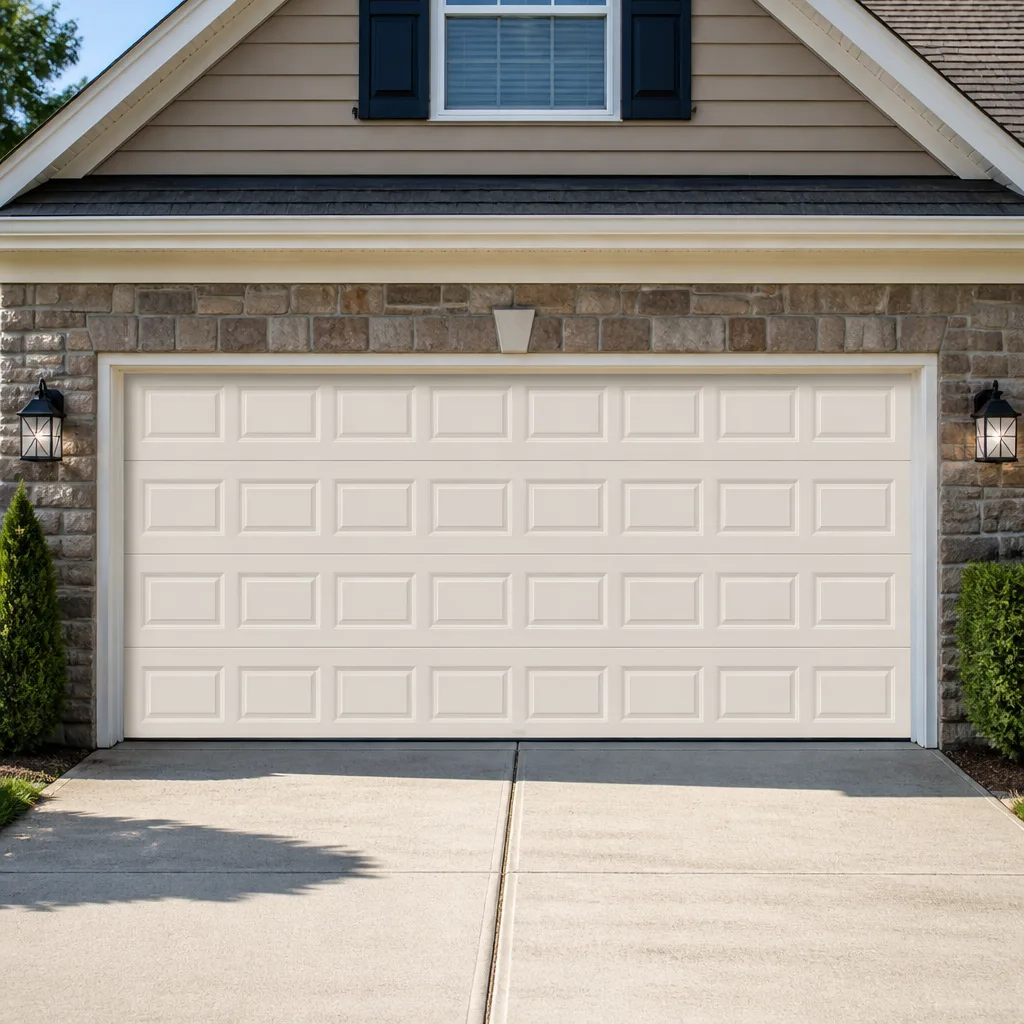 Raised-panel steel
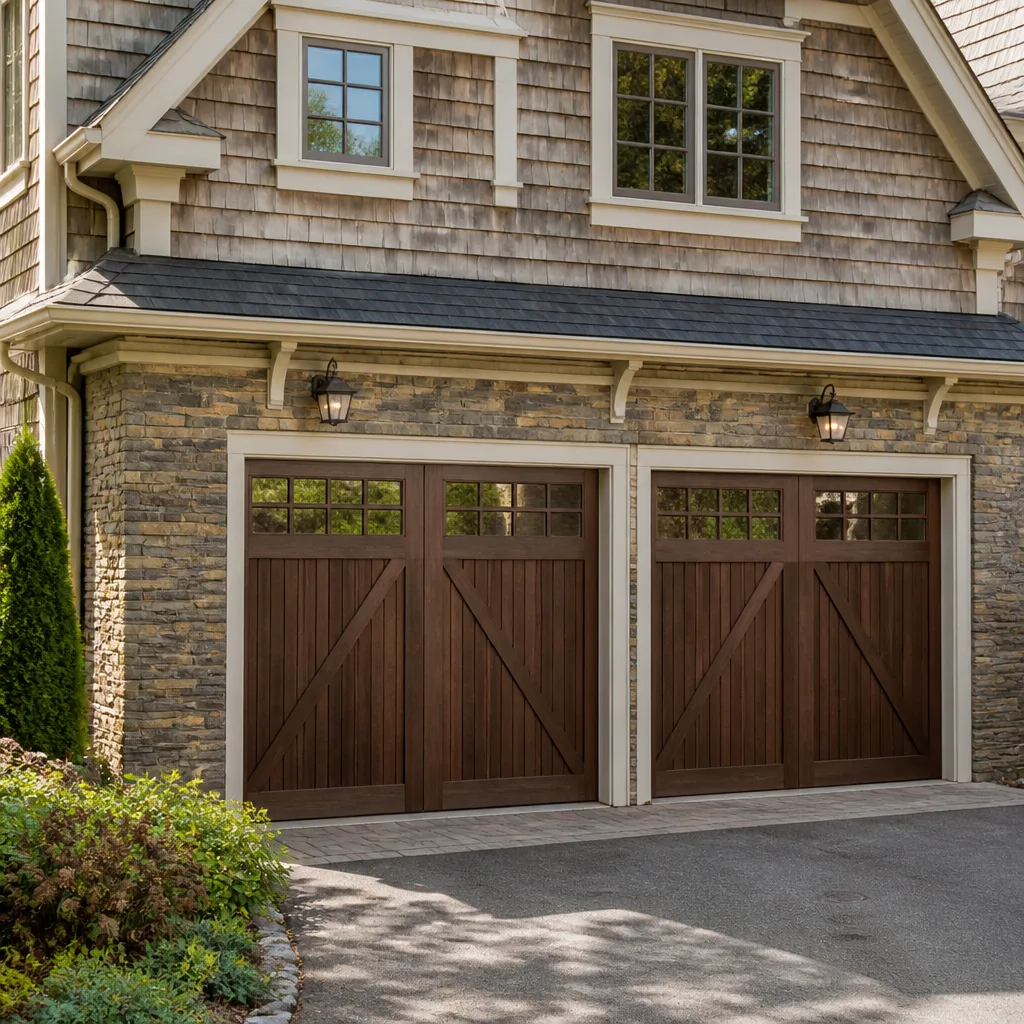 Carriage house
 Modern flush
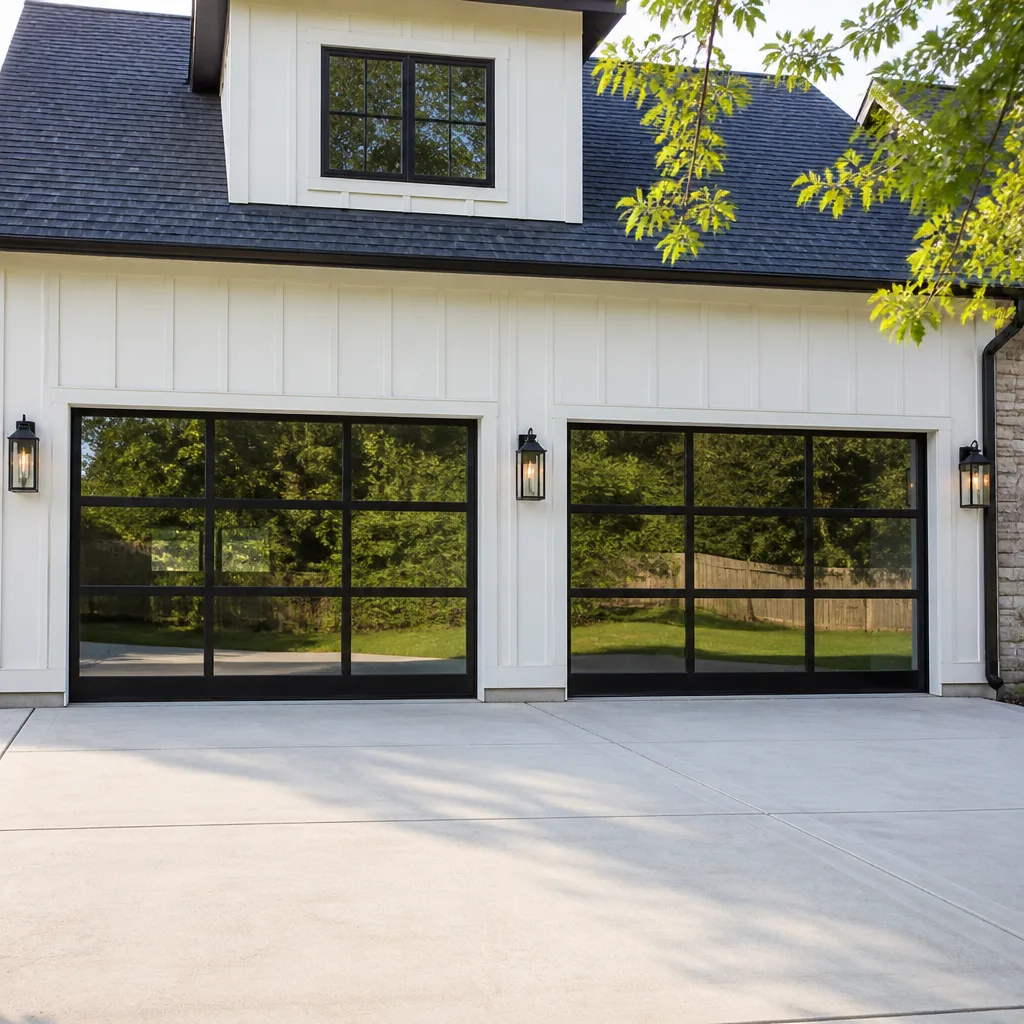 Full-view glass
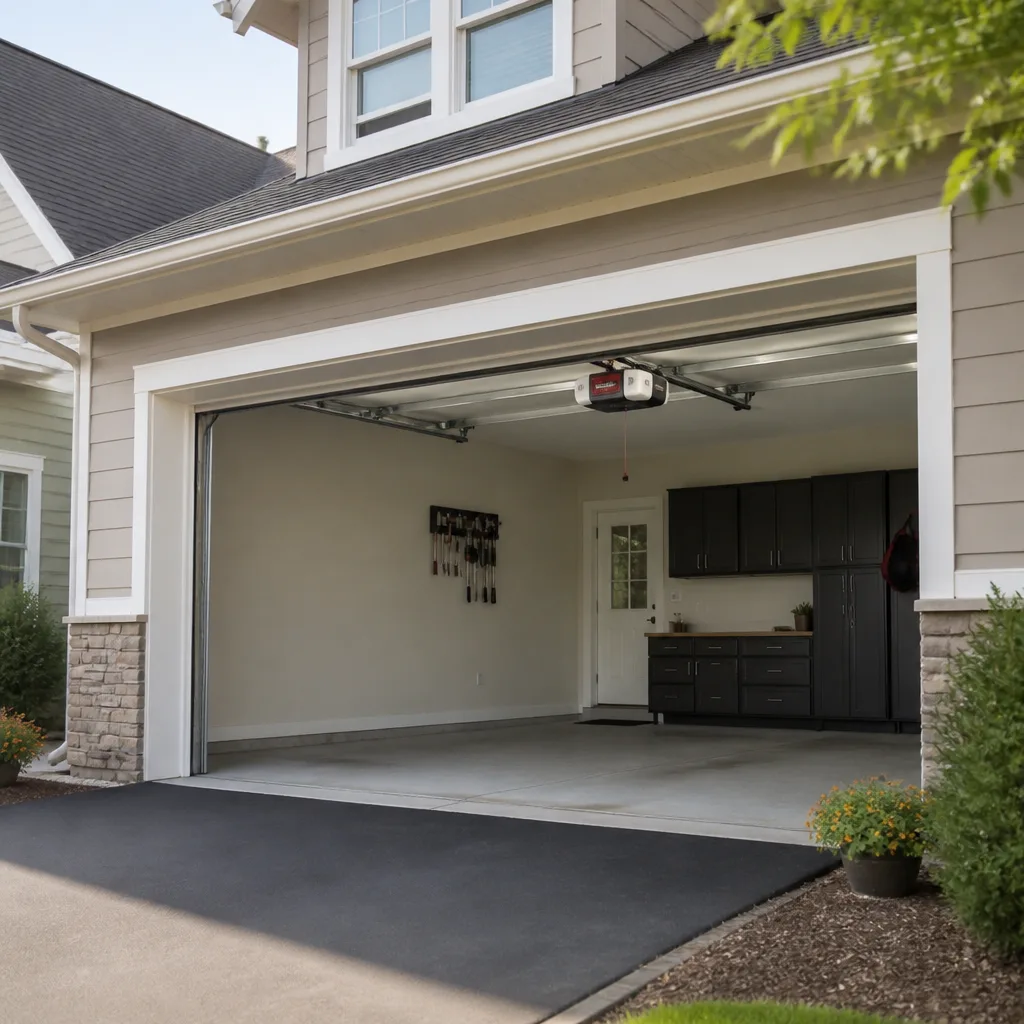 LiftMaster openers
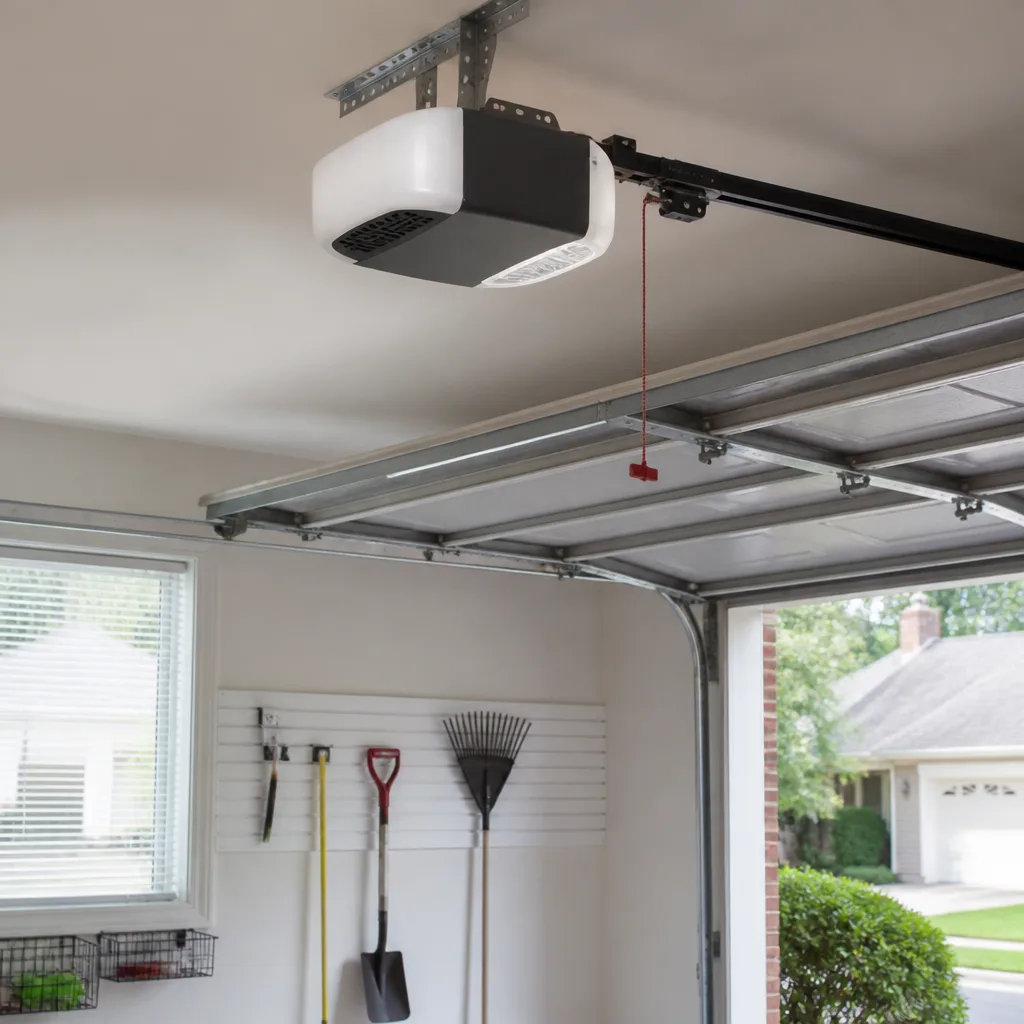 Chamberlain openers
Full 25-point door and opener safety check with every visit - springs, cables, rollers, tracks, and your LiftMaster or Chamberlain opener included
You get a price before we start. It does not change when the pro arrives.
Get your free estimateGarage Door Repair Troubleshooting in Peachtree City: Common Problems and How to Fix Them
A door that reverses before it touches the floor and a door that won’t move at all can share the same root cause: a safety sensor that’s out of alignment or blinded by dirt. That single fact trips up most homeowner troubleshooting, because we tend to chase the symptom that scares us most instead of the system that’s actually failing. A door that jerks and grinds is a mechanical problem. A door that beeps and refuses to close is often a safety circuit problem. They look nothing alike and they aren’t fixed the same way. This guide maps symptoms to the six systems that cause nearly every garage door failure, so you can describe your problem accurately and know exactly when to stop poking at it and call a specialist in Peachtree City.
Quick Answer
Most garage door problems come down to one of six systems: springs, cables, tracks, rollers and hinges, the opener, or the safety sensors. You can safely inspect the door’s balance, watch how it travels, and check the sensor lights yourself. Spring and cable work is genuinely dangerous and should always go to a trained technician. Mapping your symptom to the right system before anyone arrives is the fastest route to a correct fix, and it’s how a good repair call starts with the right parts on hand.
Styles & brands we work with
- Raised-panel steel
- Carriage house
- Modern flush
- Full-view glass
- LiftMaster openers
- Chamberlain openers
Table of Contents
- Symptom-to-System Mapping: Read Your Door Before You Touch It
- The Sequence for Ruling Out Opener vs. Spring vs. Track vs. Sensor
- How Peachtree City Humidity and Temperature Swings Affect Your Door
- What’s Safe to Check Yourself and What Crosses the Line
- How to Describe the Problem So the Right Parts Arrive
- When It’s a Repair and When It’s a Replacement
- What Garage Door Repair Costs in Peachtree City
- Common Mistakes to Avoid
- When to Call a Professional
- Frequently Asked Questions
Symptom-to-System Mapping: Read Your Door Before You Touch It
The single biggest time-saver in troubleshooting is matching the behavior you see to the mechanical system responsible. A door is a chain of components working together: springs carry the weight, cables connect springs to the door, tracks guide it, rollers ride in the tracks, hinges hold the panels together, and the opener supplies the push. When one fails, the symptom points straight at it. Here’s the map we use.
- Door reverses before hitting the floor: safety sensor misalignment, obstruction, or a sensor lens clouded with dust. The opener is being told “something’s in the way” and obeying.
- Door jerks or moves in stops and starts: spring tension loss, a binding roller, or a track that’s out of alignment. Gravity and the opener are fighting each other.
- Loud grinding or scraping: worn rollers, dry hinges, or a bent track section the rollers are dragging against.
- Door won’t move at all, opener hums: stripped opener gear, a broken spring, or a release that’s been pulled and not reset.
- Door moves a few inches and stops: travel limits set wrong, a force setting too low, or an obstruction the sensors are picking up.
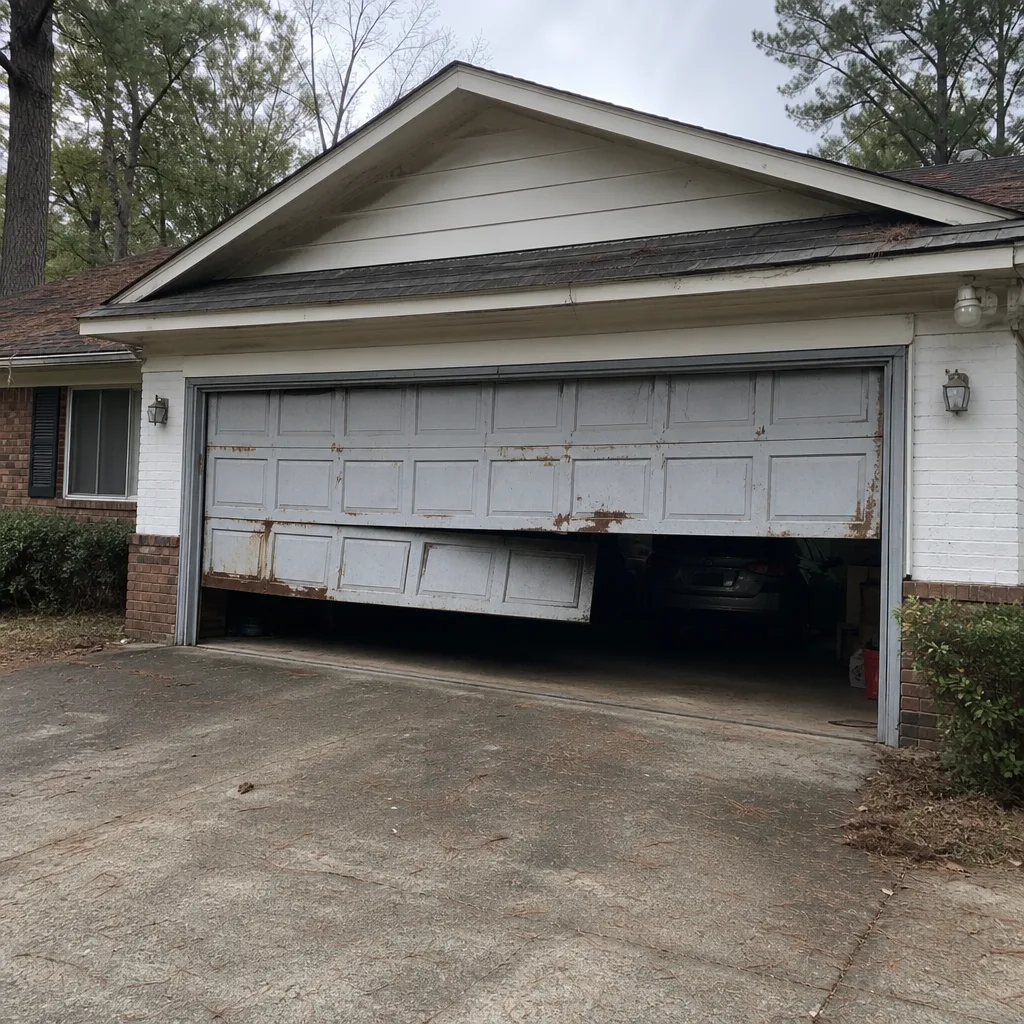
- Door sags or looks crooked: a snapped spring on one side, a stretched cable, or a hinge that’s pulled loose from the panel.
Notice the pattern: the scariest-looking symptom, a door that reverses at the floor, is usually the cheapest fix. The one that looks merely inconvenient, a door that won’t budge, is often a broken spring. That’s why we match before we move. A LiftMaster or Chamberlain opener that reverses may be doing exactly what its sensors command. A Genie that hums without moving may have a failed gear inside the unit. Same city, same street, completely different repair. Reading Peachtree City doors this way cuts diagnosis from a head-scratching afternoon to a two-minute observation.
Write down what you see and hear in plain words: “clicks twice and reverses,” “grinds on the left side going up,” “hums but door stays down.” Those descriptions mean something specific to a technician, and they map directly to the system that needs attention.
The Sequence for Ruling Out Opener vs. Spring vs. Track vs. Sensor
You can eliminate four common causes without disassembling anything, and the order matters. Work from the safest, cheapest check first, then move inward. This is the sequence a specialist runs on the first visit, and you can run the same one safely from the floor.
- Check the sensors first. Look at the two small units mounted near the floor on each side of the door. Each has a light. If one is off or flickering, or one light isn’t solid, the sensor circuit is your problem. Wipe the lenses with a soft cloth, look for anything blocking the beam, and check that both are aimed at each other. Sensors knocked out of alignment by a bump or a lawn tool are the most common “my door won’t close” call we get.
- Test the door’s balance by hand. With the door closed, pull the manual release cord (it hangs from the opener rail) to disconnect the opener, then lift the door about halfway by hand and let go gently. A properly balanced door stays roughly where you put it. If it drops fast or feels unusually heavy, the springs are the suspect. Reconnect the release before moving on.
- Watch the door travel with the opener reconnected. Run the door up and down and watch both sides. Does one side lag the other? Does it scrape in one spot? A door that climbs unevenly or hangs up at a specific height points to track or roller trouble, not the opener.
- Listen to the opener in isolation. If the door doesn’t move but you hear the opener motor run or hum, the opener is trying and something mechanical is preventing travel (spring, cable, or release). If the opener is silent, or clicks once and does nothing, the opener’s logic board, gear, or power supply is the suspect.
By the time you finish these four steps, you’ve narrowed the failure to a single system. That’s half the diagnosis done before anyone opens a toolbox. If the balance test shows a spring problem or you spot a cable that looks slack or frayed, stop there. Spring and cable work is where troubleshooting ends and professional service begins, and it’s a genuine safety line, not a sales tactic. For spring-specific issues, our garage door spring repair covers what that job involves.
How Peachtree City Humidity and Temperature Swings Affect Your Door
Peachtree City sits in a climate that swings hard between humid summers and cool winters, and that cycle works on a garage door in ways a dry-climate troubleshooting guide won’t mention. Wood and composite doors absorb moisture in the humid months and shrink when the air dries out. That expansion and contraction moves panels, panel joints, and hinges a fraction of an inch at a time, and over a season those fractions add up.
What that means in practice:
- Wood doors swell in summer humidity. Panels can bind against the frame or each other, and the door starts sticking or jerking partway up. The opener strains against the added friction, which is why summer is when a lot of force-setting complaints surface.
- Doors shrink and rattle in dry, cold spells. Gaps open at the panel seams, hinges loosen, and the door gets noisier. A rattle you only hear in January is often seasonal movement, not a failed part.
- Track alignment drifts. A track bolted to a garage wall moves with that wall as the ground and structure shift through wet and dry cycles. A track that was straight in spring can be a hair off by fall, and rollers start dragging.
- Spring tension feels different in cold weather. Metal contracts and lubricants thicken when it’s cold, so the door can feel heavier and the opener works harder on the first cold mornings. That’s normal up to a point. A door that suddenly won’t lift when the temperature drops is a spring or balance problem worth checking.
In our experience around Peachtree City, the smart move is a seasonal once-over: run the door, listen for new sounds, wipe the sensor lenses, and look at the tracks for anything obviously bent. Catching seasonal drift early is cheaper than waiting for a panel to crack or a roller to seize. Neighborhoods like Kedron and Planterra Ridge see the same pattern every year, because it’s the climate, not the house, driving it. For an opener that’s working harder than it should because of seasonal friction, garage door opener repair can sort out force and travel settings before strain turns into failure.
What’s Safe to Check Yourself and What Crosses the Line
Some troubleshooting is genuinely safe for a homeowner. Some of it can put you in the hospital. The line isn’t about how handy you are; it’s about stored energy. Springs and cables hold the full weight of the door under tension, and releasing that tension by accident is how serious injuries happen. Here’s where we draw the line.
Safe to do yourself:
- Clean and realign safety sensors, and clear obstructions from the sensor beam.
- Look at the door and tracks with your eyes and listen with your ears. Observation is free and safe.
- Run the manual release and test the door’s balance by hand, gently, with nothing in the door’s path.
- Wipe down tracks and apply a proper lubricant to rollers, hinges, and the opener rail per the manufacturer’s guidance.
- Check that the wall-mounted opener control and any remotes are working, and replace remote batteries.
- Look at the door’s travel and note exactly where it hangs up or reverses.
Crosses into professional territory:
- Anything involving torsion or extension springs, including adjusting tension.
- Cables, cable drums, and the bottom brackets they attach to. A slack cable under load can whip free.
- Loosening or removing hinges under tension, or the bottom bracket.
- Working on the opener’s internal gears or the door’s structural panel connections.
If your balance test shows a heavy door or you find a broken spring, stop. Spring replacement done safely is a job for someone with the right winding bars, the right technique, and the training to know what a spring under load is about to do. Our technicians have up to 8 years of experience with exactly this kind of work, and we treat springs as a specialized, safety-critical service rather than a sideline. That’s not caution for its own sake. It’s how the job gets done without anyone getting hurt.
How to Describe the Problem So the Right Parts Arrive
The gap between a frustrating repair and a smooth one is often a phone call. When you can describe your door accurately, the technician arrives knowing which system is likely at fault and which parts to bring. That saves a second visit and gets you back up and running faster. Here’s what to capture before you call.
- Name the brand and type. “A LiftMaster opener” or “a Raynor door” tells us which system we’re dealing with and the parts family it uses. We work on systems from LiftMaster, Chamberlain, Genie, Clopay, Amarr, Wayne Dalton, Craftsman, and Raynor, so naming yours helps us prepare.
- Describe the behavior, not the diagnosis. “It reverses about a foot off the floor” beats “the sensors are broken.” Let the symptom speak. Report what you actually see and hear.
- Note the timing and conditions. Does it only happen in cold weather? Only after a power outage? Only when you use the wall control but not the remote? These details narrow the cause.
- Say whether the door is stuck open or stuck closed. A door stuck open is a security problem and changes the urgency. A door stuck closed is an access problem. Both matter, and we treat the security case as an emergency.
- Mention anything you’ve already checked. If you cleaned the sensors and it didn’t help, say so. If the balance test felt heavy, say that too.
Two or three sentences with those details is enough for a specialist to arrive with the right parts the first time. Our garage door repair process starts with that conversation, so the estimate and the fix line up with what’s actually wrong. Fewer surprises, one call covers it.
When It’s a Repair and When It’s a Replacement
Not every problem is a repair, and it’s worth knowing which side of that line you’re on before you spend money. The door itself is a complete system, and a technician should evaluate the whole thing, not just the part that failed.
Usually a repair:
- A single broken spring, with the door panels, tracks, and cables in good shape.
- Sensor misalignment, dirty lenses, or a failed sensor unit.
- Worn rollers, noisy hinges, or a track that needs realigning.
- An opener with a failed gear, logic board, or remote pairing issue on an otherwise sound door.
- A door that’s off balance due to seasonal movement and needs adjustment.
Often points toward replacement:
- Multiple panels that are cracked, rotted, or separating at the seams.
- Repeated spring or cable failures on a door that’s otherwise worn.
- Bent or rusted tracks on a door with sagging panels.
- A door that’s been repaired piecemeal and no longer runs smoothly as a unit.
The honest answer depends on the door’s overall condition, not one part. A door that needs a spring and a roller but has sound panels is a repair. A door with cracked panels, a bent track, and a tired opener is throwing good money after bad if you keep patching it. If you’re weighing the two, a Peachtree City garage door repair specialist can tell you plainly which side you’re on, and we don’t push a replacement when a repair will do the job.
What Garage Door Repair Costs in Peachtree City
Garage door repair in Peachtree City typically runs from under a hundred dollars for simple sensor or adjustment work up to several hundred for spring, opener, or track service, and the written estimate sets the final price before any work begins. Here’s how the common jobs usually break down as estimated ranges.
| Repair | Typical estimated range | Notes |
|---|---|---|
| Safety sensor realignment or replacement | Lower end | Cheapest common fix; often the cause of a door that won’t close |
| Roller, hinge, or track adjustment | Lower to mid | Track realignment and hardware refresh |
| Single spring replacement | Mid range | One spring; a matched pair usually gets replaced together, so a pair runs about twice |
| Opener repair (gear, board, force/travel settings) | Mid range | Varies by brand and whether a board is involved |
| Full opener replacement | Mid to upper | Hardware and setup; smart-home-compatible units at the high end |
Two things about pricing worth knowing. First, a spring price is for one spring. Doors with two springs typically get a matched pair replaced together, because a new spring next to a tired one overloads the old one. So a pair is about double a single spring, and that’s the honest number to plan around. Second, everything is quoted and agreed before a wrench is turned. You’ll know the price and approve it up front, and the written estimate is what you pay. You can call (866) 937-8190 for a free estimate with no obligation, and we’ll give you the range before we schedule.
Common Mistakes to Avoid
- Pushing on the door while the opener runs. Trying to help a struggling door by hand overrides the safety system and strains the opener. Stop and diagnose instead of forcing it.
- Assuming a reversing door is broken. Nine times in ten, a door that reverses at the floor is doing its job because a sensor is misaligned or dirty. Clean and realign the sensors before you assume the opener is dead.
- Ignoring a heavy door in cool weather. A door that suddenly feels heavy on a cold Peachtree City morning is telling you the springs are losing tension. Waiting can crack a panel or burn out the opener.
- Adjusting the opener’s force setting to “fix” a sticky door. Crank the force up and the opener masks a mechanical problem while it strains the door. Fix the friction, not the force.
- Working on springs or cables yourself. These carry the full weight of the door under tension. A slipped winding bar or a released cable can injure you badly. This is the one job to always leave to a trained technician.
- Skipping the seasonal check in a swing climate. Peachtree City’s humidity and temperature swings move tracks and panels a fraction at a time. A quick look each season catches drift before it becomes a repair.
- Calling a general handyman for a specialist job. Springs, openers, and track work need someone who does this daily, not between other jobs. A garage door is a complete system, and it’s worth having someone who treats it that way.
When to Call a Professional
Call a professional if you’ve found a broken or slack spring, a frayed or loose cable, a door that won’t balance by hand, or a door that’s stuck open and leaving your home insecure. Those are the situations where the risk of going further yourself is real. Call if the opener hums but the door won’t move, if the door travels unevenly, or if you’ve cleaned and realigned the sensors and it still reverses. And call if you’ve watched the door for a few cycles and simply can’t tell which system is at fault, because an accurate description from a specialist beats a frustrating afternoon of guessing. Peachtree City Garage Door Repair offers free estimates in Peachtree City. Call (866) 937-8190. We answer 24/7. Fast dispatch from 7am to 7pm, Sunday through Friday.
Frequently Asked Questions
The safety sensors are almost always the cause. The opener is being told something is in the door’s path, so it reverses. Wipe both sensor lenses, check that neither light is flickering, and confirm both units are aimed at each other and unobstructed. If the door still reverses after that, the sensors may need replacing. For an exact quote, call (866) 937-8190. Estimates are free.
Spring repair is one of the calls we handle same day when scheduling allows. A broken spring is a genuine safety issue, so it’s worth calling rather than waiting. We answer 24/7. Fast dispatch from 7am to 7pm, Sunday through Friday. Call (866) 937-8190 to book a spring repair in Peachtree City.
No. The written estimate is the price, and it’s quoted and agreed before any work starts. What you approve is what you pay. If the diagnosis changes once we’re on site, we’ll tell you and you’ll approve any change before it happens. Call (866) 937-8190 for a free estimate.
Yes. The local professional we connect you with is licensed and insured as the state of Georgia requires. Our technicians have up to 8 years of experience, and springs, openers, tracks, and full door work are all in scope. Call (866) 937-8190 for a free estimate.
Humidity. Peachtree City’s humid summers make wood and composite panels swell, which can bind the door against the frame or its tracks and make the opener strain. It’s a seasonal pattern, not a coincidence. A track and hardware check in late spring usually prevents it. Call (866) 937-8190 if the door is jerking or sticking.
No. Springs are under the full weight of the door and carry serious stored energy. A slipped tool can cause severe injury, and this is the one repair we always recommend leaving to a trained technician. Spring replacement done safely means the right tools and the right training. Call (866) 937-8190 and we’ll handle it.
The Bottom Line
Garage door troubleshooting comes down to matching what you see to the system causing it. A reversing door usually means sensors. A heavy or jerky door means springs or balance. Grinding means rollers or track. A silent opener that won’t move the door points to a mechanical failure upstream. You can safely check sensors, run a balance test, and observe the door’s travel. Spring and cable work belongs with a specialist, full stop. Describe your symptom accurately and the right fix arrives faster. For any of it, one call covers the diagnosis, the repair, and the estimate.
Call Peachtree City Garage Door Repair at (866) 937-8190 for a free estimate. We answer 24/7. Fast dispatch from 7am to 7pm, Sunday through Friday. Whether it’s a sensor that needs realigning, a spring that snapped, or a door that’s finally ready to be replaced, we’ll help you read the symptom, quote the fix up front, and get your door back up and running.
Written by the team at Peachtree City Garage Door Repair.
See the difference
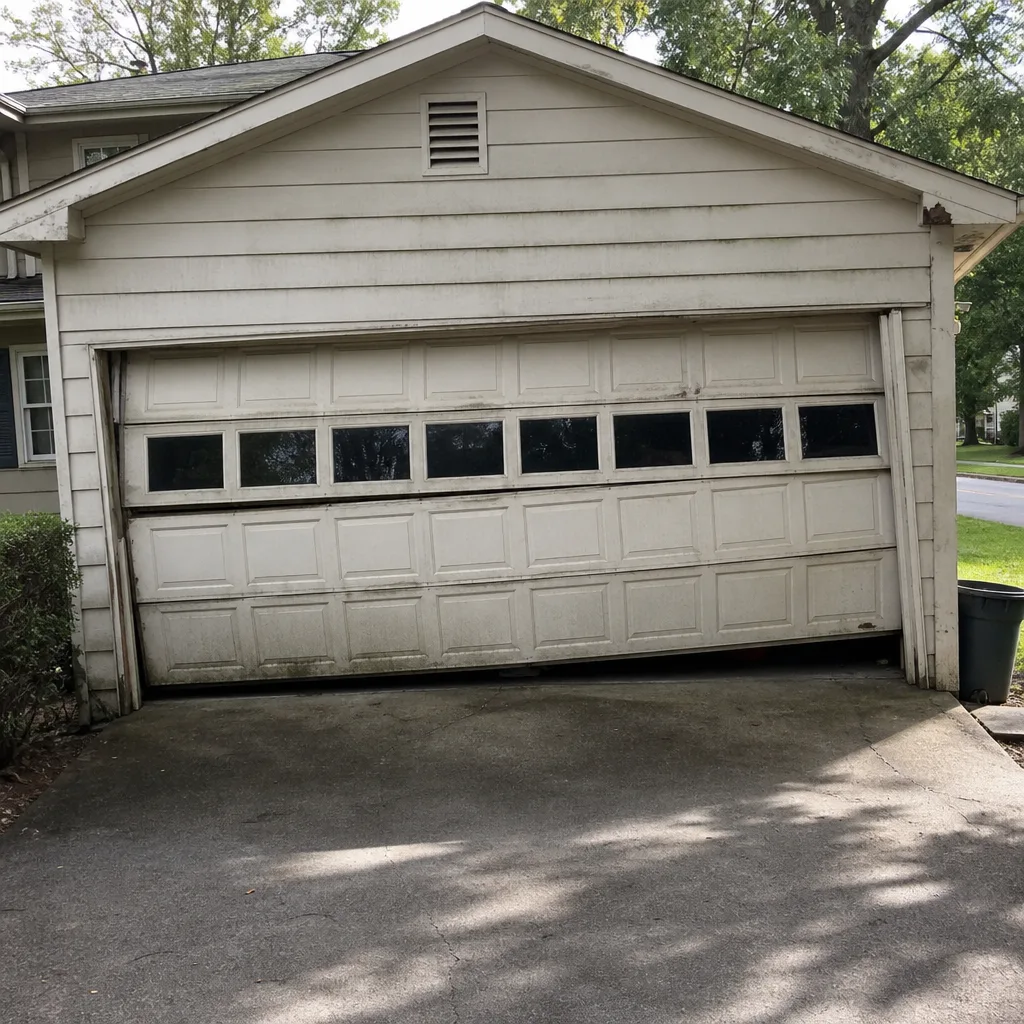 Before
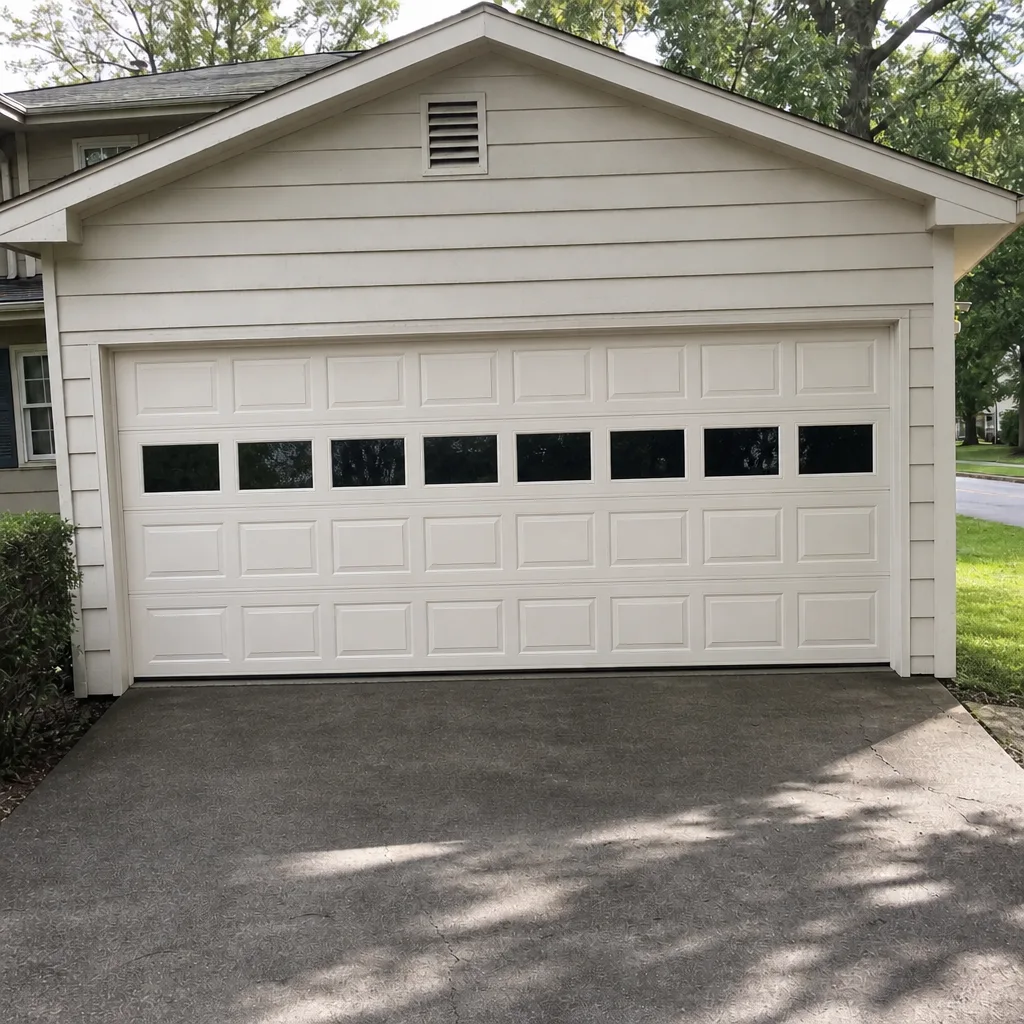 After
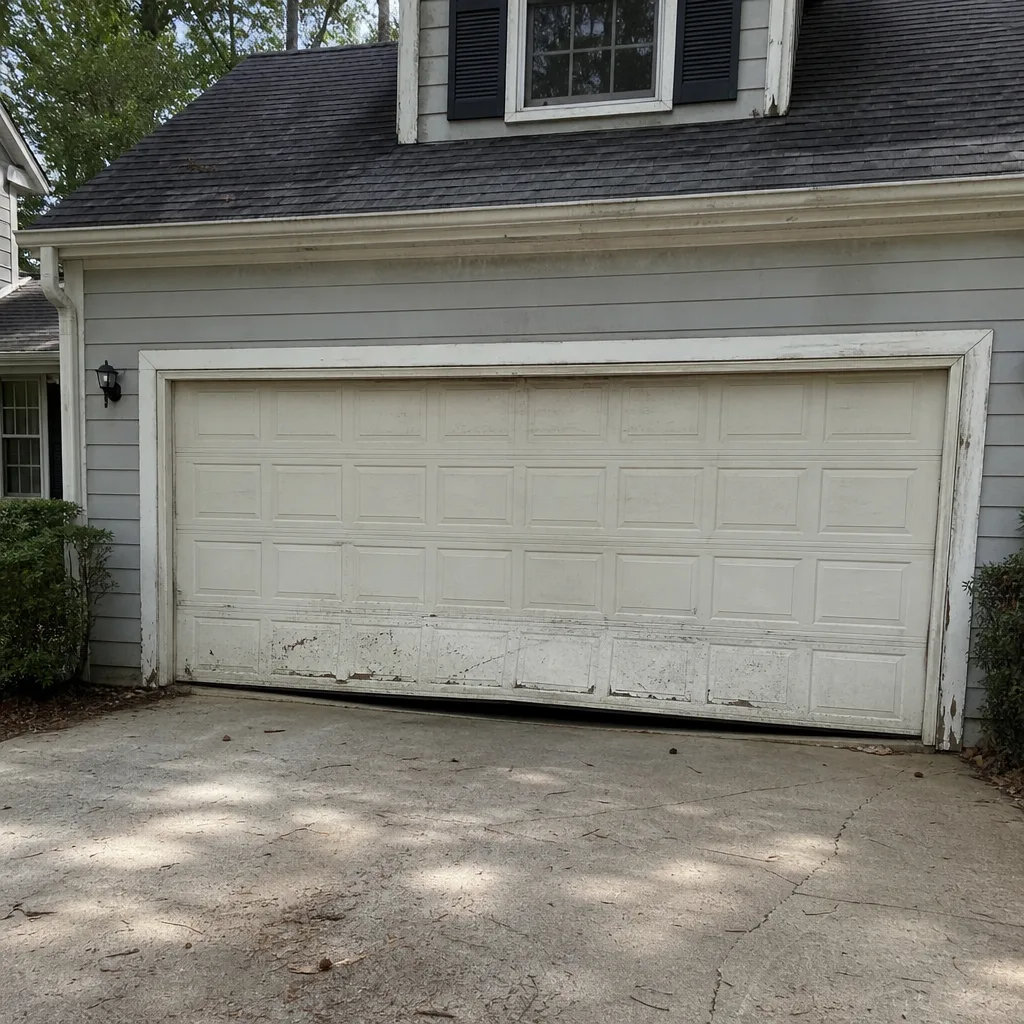 Before
 After
 Before
 After