
Last updated November 23, 2026
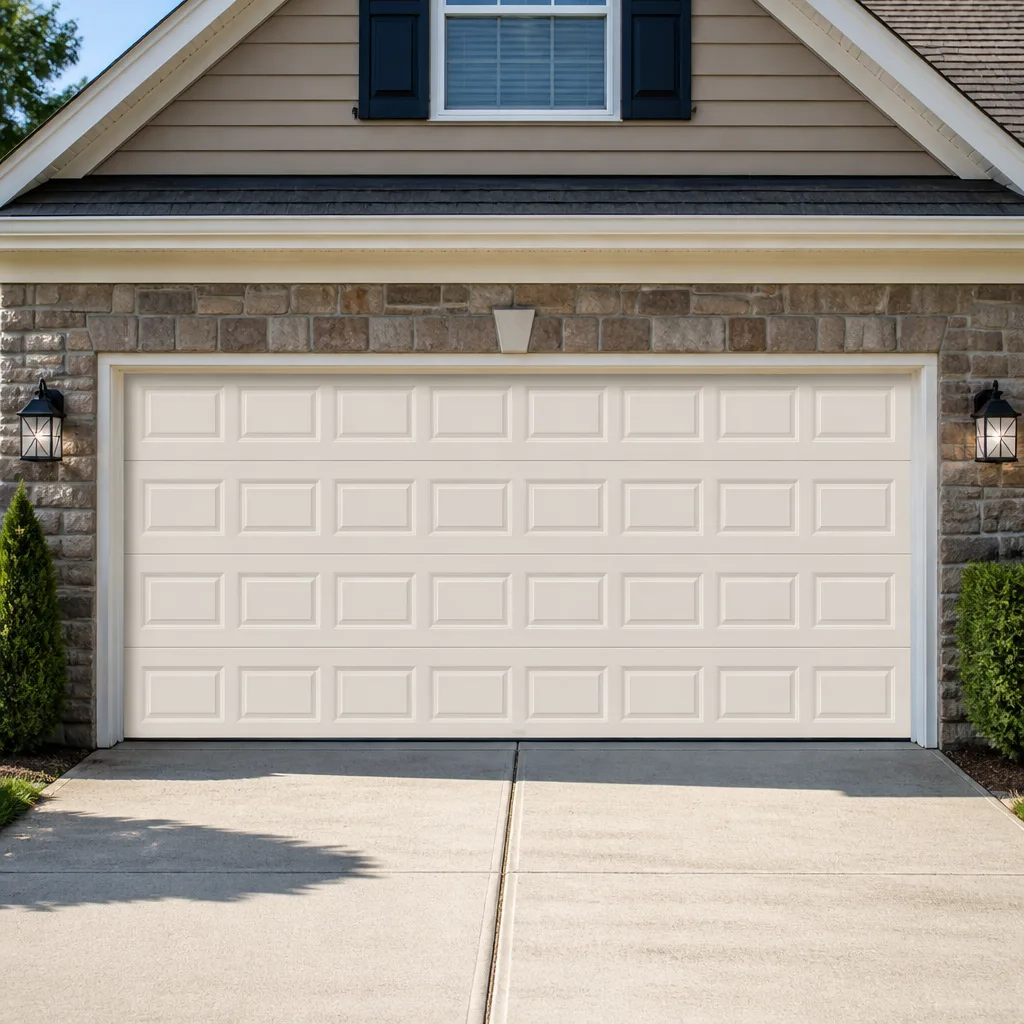 Raised-panel steel
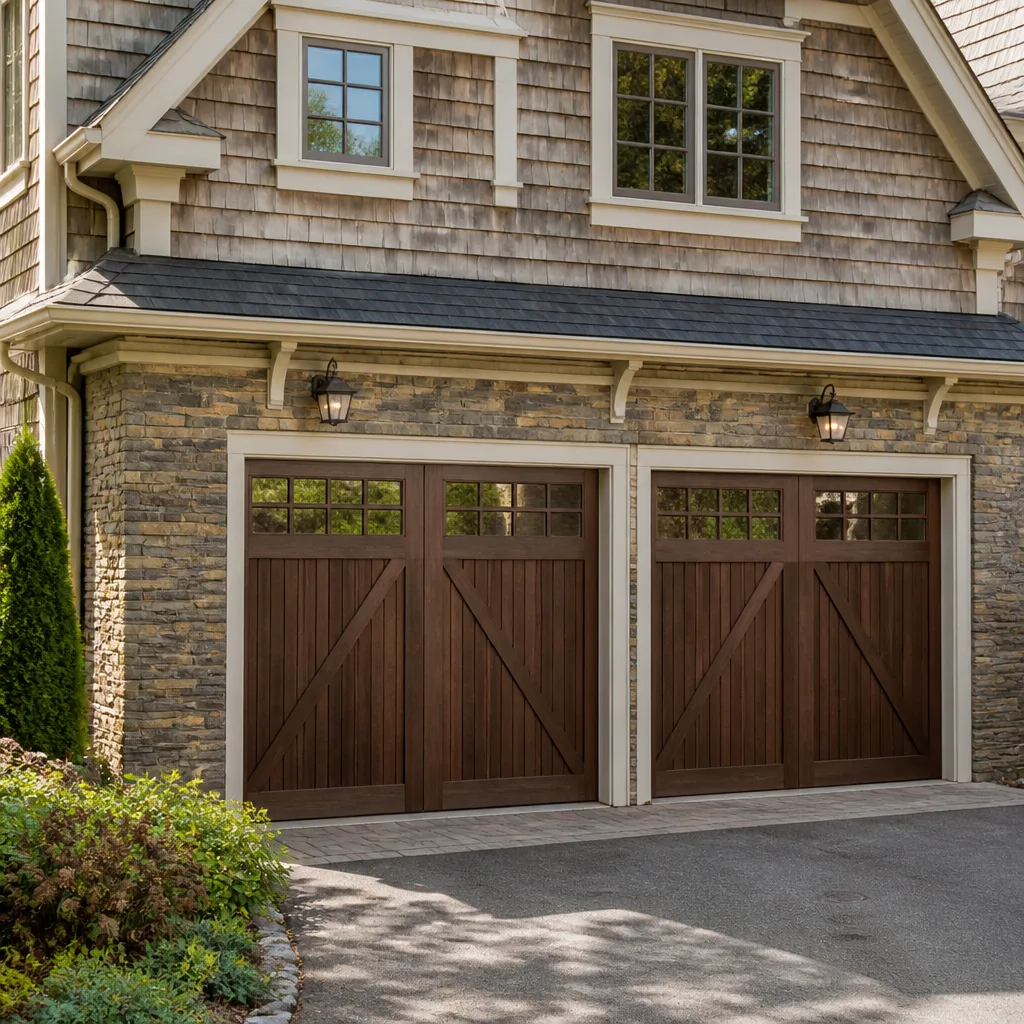 Carriage house
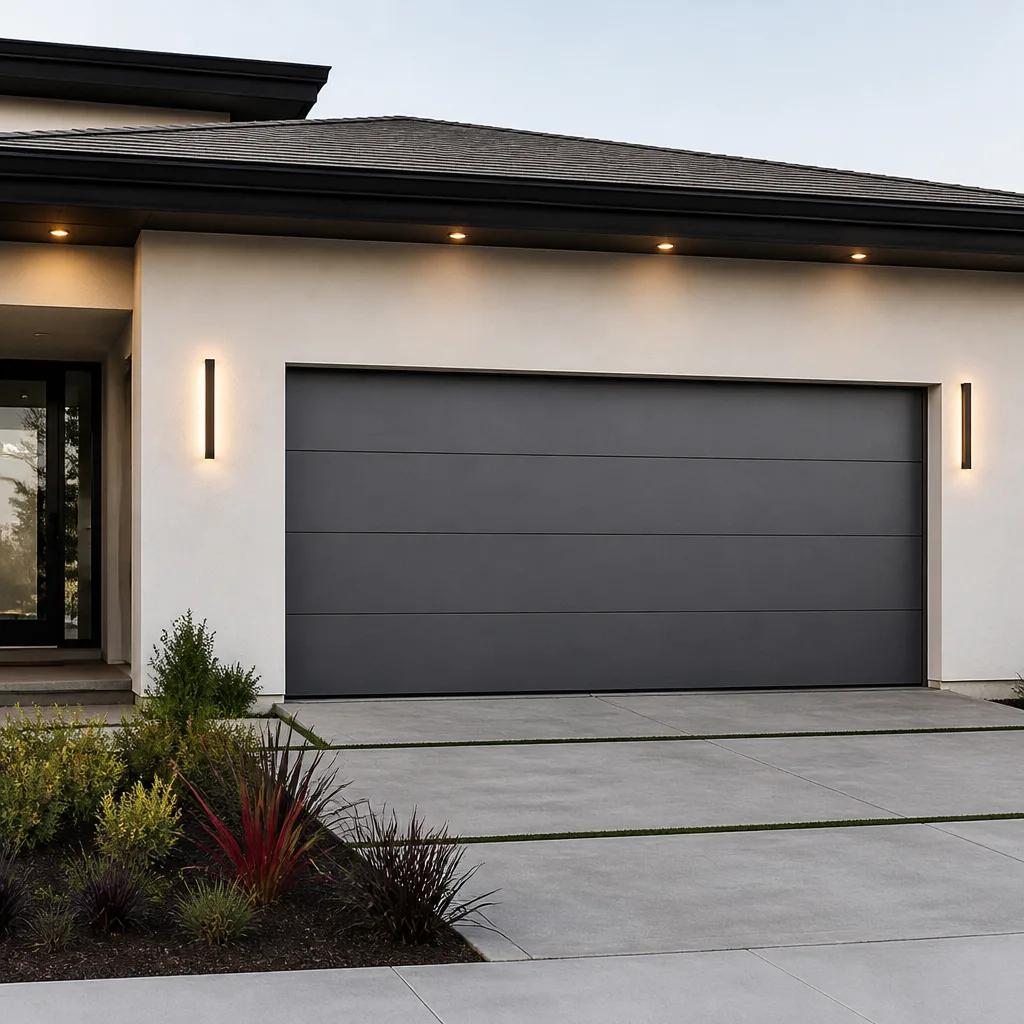 Modern flush
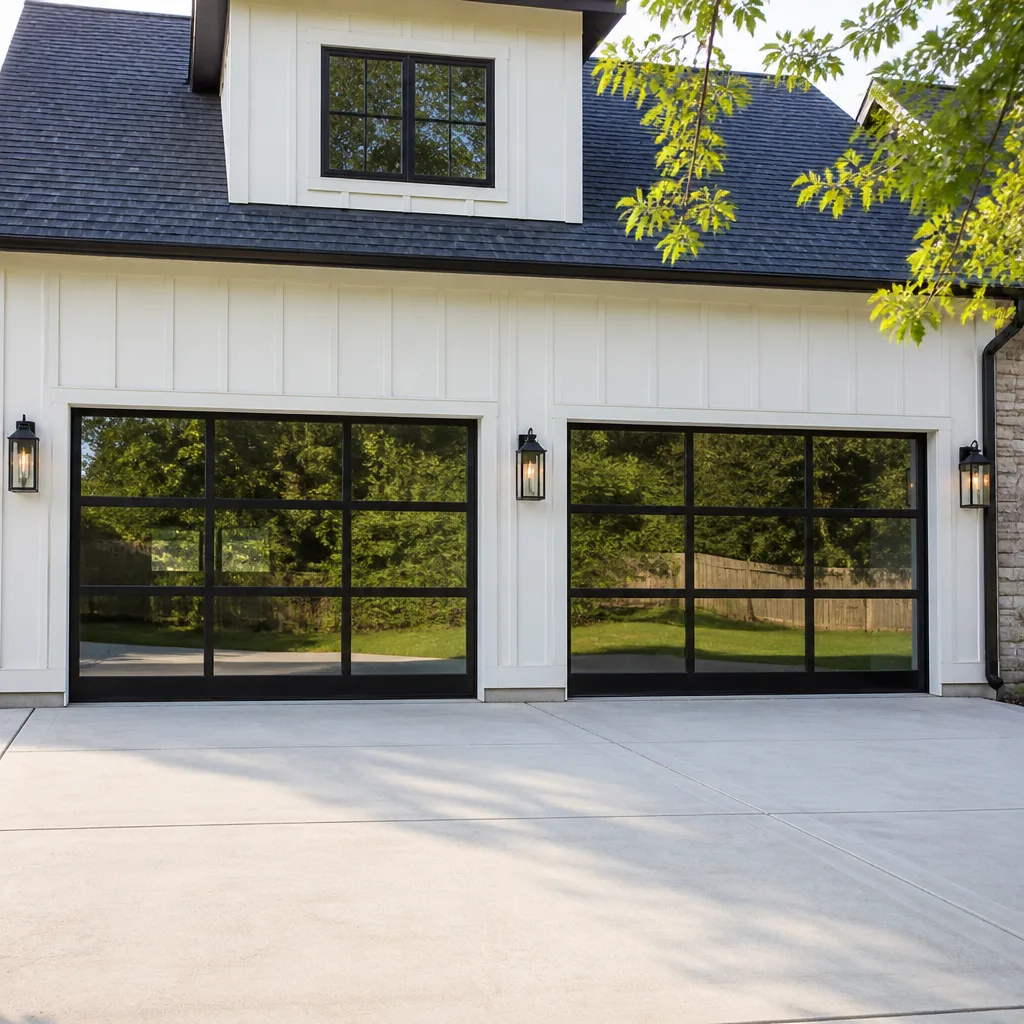 Full-view glass
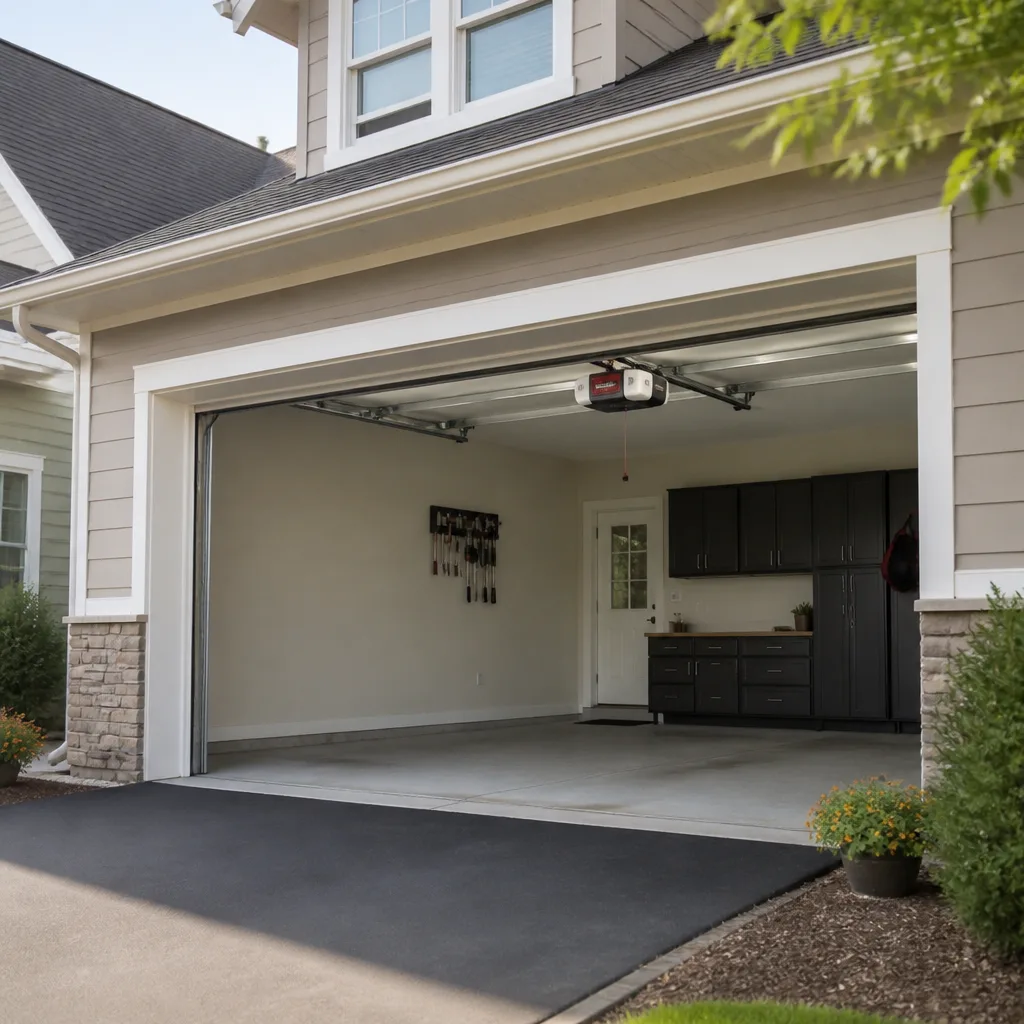 LiftMaster openers
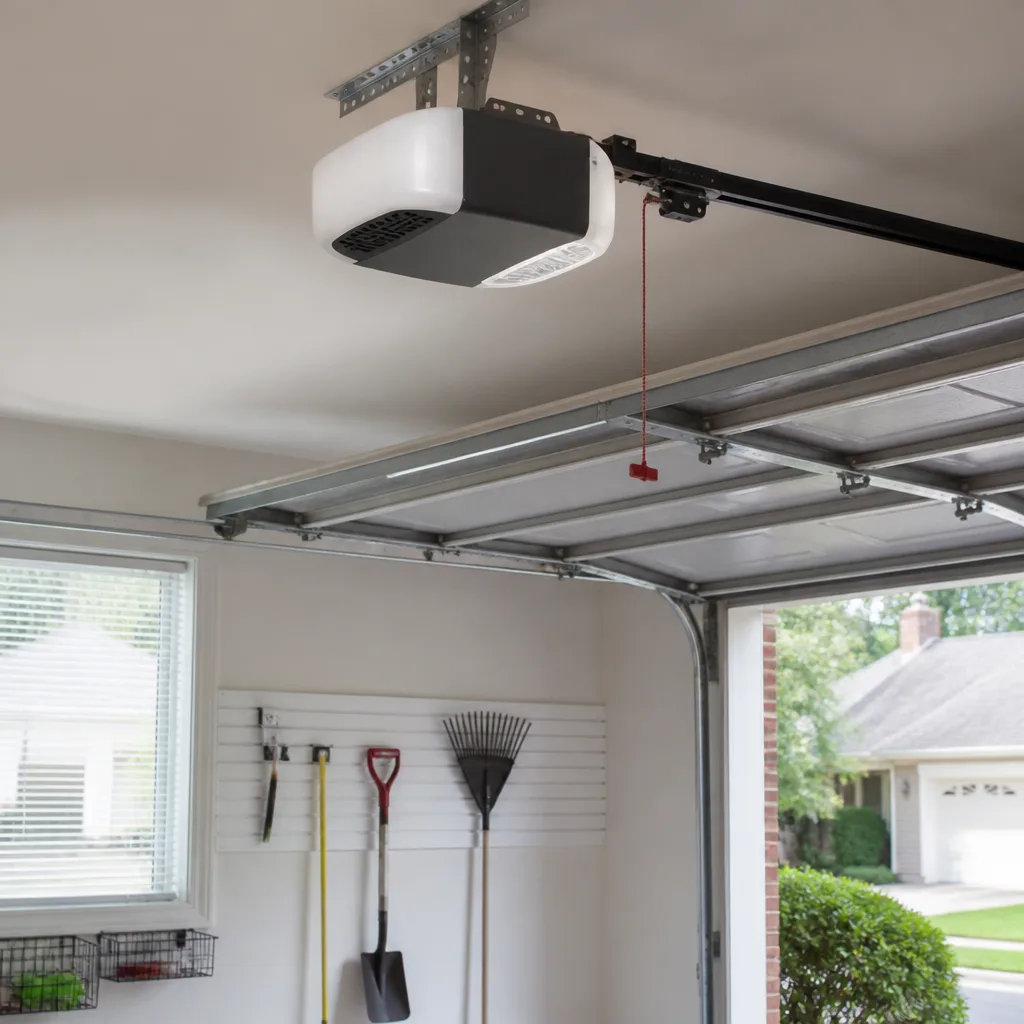 Chamberlain openers
Full 25-point door and opener safety check with every visit - springs, cables, rollers, tracks, and your LiftMaster or Chamberlain opener included
You get a price before we start. It does not change when the pro arrives.
Get your free estimateSeasonal Garage Door Care for Peachtree City: Year-Round Homeowner’s Guide
Here’s the counterintuitive part of garage door ownership in Peachtree City: the failures that show up in January usually started in August. Georgia’s humid summers quietly work on spring coatings, bottom seals and composite panels for months while everything still runs fine. Then the first hard freeze snaps a worn seal shut, or a cool morning makes a tired spring sound off, and the problem looks sudden when it isn’t. Garage doors here fail on a seasonal rhythm, not a random one. This guide walks through what each season does to your door, what to check and when, so you’re maintaining a system instead of constantly repairing one.
Quick Answer
Seasonal garage door care in Peachtree City comes down to four moves: slow corrosion during the humid summer, finish adjustments before the first freeze, keep ice from welding your bottom seal to the floor in winter, and recheck tracks, panels and opener force settings after storm season. The single most-skipped task is retesting the auto-reverse force setting, because temperature swings change spring tension and that setting drifts out of spec without anyone noticing.
Styles & brands we work with
- Raised-panel steel
- Carriage house
- Modern flush
- Full-view glass
- LiftMaster openers
- Chamberlain openers
Table of Contents
- Why Peachtree City Doors Have Their Own Seasonal Failure Pattern
- Summer: Humidity, Corrosion and What It Does to Your Hardware
- Fall: The Highest-Leverage Maintenance Window in Georgia
- Winter: Occasional Ice Events and the Frozen Seal Problem
- Spring: The Post-Storm Inspection Checklist
- The One Seasonal Task Most Homeowners Skip
- A Simple Year-Round Maintenance Calendar for Peachtree City
Why Peachtree City Doors Have Their Own Seasonal Failure Pattern
Peachtree City isn’t Chicago, and it isn’t a coastal market either. It sits in a band of Georgia that gets long, humid summers, short but real freezes in January and February, and a spring storm season that throws wind-driven rain and debris at every exterior surface on the house. That combination produces a specific wear pattern on garage doors, and it’s different from what you’d see in a colder climate or a drier one.
Cold climates load doors with freeze-thaw stress and heavy snow. Dry climates wear out seals through sun and grit. Peachtree City’s stress is mostly moisture and temperature swing. Humidity runs high for months, then drops sharply when the first cold front arrives. Metal contracts. Seals stiffen. Springs change tension by a few pounds as the ambient temperature moves, and an opener calibrated in July can push harder in January than it should.
The other local factor is how the area is built. Neighborhoods like Kedron Village, Planterra Ridge and Aberdeen Village sit among pines and hardwoods, which means pollen, sap, needles and leaf debris collect on tracks, in seal channels and along the bottom edge of the door. That debris holds moisture against metal and rubber, which speeds up the exact corrosion and cracking that the climate already encourages.
So the seasonal care cycle here isn’t about surviving extremes. It’s about managing moisture in summer, locking in adjustments in fall, protecting seals and cables during short freezes, and inspecting the whole system after the storms pass. Each season asks something different of the door. Treat them separately and the system holds together.
If you want the full-service overview of what we handle in this area, start with Peachtree City Garage Door Repair.
Summer: Humidity, Corrosion and What It Does to Your Hardware
High humidity is the quietest problem a garage door has. Nothing fails dramatically in July. Instead, three components degrade slowly:
- Torsion spring coatings. Springs are oil-tempered steel wire, and most carry a coating that resists moisture. Months of humid air, plus condensation that forms on cooler metal each morning, gradually break that coating down. Once bare steel is exposed, surface rust starts and pits the wire. A pitted spring is a weakened spring.
- Bottom seals. The rubber or vinyl astragal along the bottom edge is what actually contacts the floor. Humidity keeps it soft and pliable, which sounds fine, but constant damp contact with a concrete slab encourages mold growth in the seal’s channels and accelerates cracking at the corners where it flexes.
- Wood composite panels. Many residential doors use composite or engineered wood facing. These handle humidity better than raw wood, but they still absorb moisture at edges and at any exposed cut. A panel that takes on water in August can show bubbling, swelling or paint failure by October.
The good news is that summer care is mostly about interrupting moisture before it does damage. Wiping down spring hardware with a light lubricant a couple of times through the season costs almost nothing. Clearing debris from track channels keeps water from pooling against the door’s lower edge. Checking the bottom seal’s contact line against the floor tells you whether water is sitting where it shouldn’t.
Garage doors are a complete mechanical system, and summer is when the mechanical parts quietly lose margin. If you’d rather have a trained eye look things over before the season turns, our garage door repair service covers the full assembly, not just the part that’s making noise.
Fall: The Highest-Leverage Maintenance Window in Georgia
October and early November are the best weeks of the year to work on a garage door in Peachtree City. The humidity drops, temperatures are mild enough to work comfortably, and the first freeze is still weeks out. Whatever you fix or adjust now has time to settle before the door has to handle cold.
Here’s what we recommend completing before the first freeze:
- Lubricate every moving joint. Hinges, rollers, the torsion bar bearings and the opener’s rail and carriage all need a proper garage-door lubricant (not general-purpose oil or grease that attracts grit).
- Inspect the bottom seal and replace it if it’s cracked or compressed. A seal that still looks okay in October can fail completely after a single freeze. Replacing it while it’s warm is far easier.
- Test spring balance with the door disconnected. With the opener released, lift the door halfway and let go. It should hold roughly in place. If it drops or rises on its own, the springs are out of balance and need attention from a trained technician.
- Retest the auto-reverse force setting. More on this in its own section, but fall is when to reset it, because it will change as temperatures drop.
- Clear and check the weatherstripping at the sides and top. Wind-driven rain from fall storms finds gaps at the frame that don’t matter in dry weather.
- Look for loose fasteners on all hinges and brackets. Temperature cycling loosens bolts over a season.
If your door uses a LiftMaster or Craftsman opener, this is also the time to check the safety sensors and confirm the closing force trim on the opener is set correctly for the door’s actual weight. That setting is what the fall tune-up protects through the cold months.
When the balance test fails, the cause is almost always the springs, and that’s a job where the danger is real: torsion springs are under enough tension to cause serious injury if handled wrong. Spring replacement done safely means a trained technician, proper winding bars, and a matched pair replaced together. Our garage door spring repair handles both torsion and extension springs as a core service, not an afterthought.
Winter: Occasional Ice Events and the Frozen Seal Problem
Peachtree City winters are mild most of the time. But occasional ice events are real, and they test the door in a specific way. The most common winter problem isn’t a broken spring. It’s a bottom seal frozen to the floor.
The failure mode matters because it looks like something else and then turns into something worse. Here’s how to tell the difference:
- A frozen seal happens after precipitation freezes to the concrete slab and bonds to the bottom rubber. Once the ice thaws, the seal is fine, and the door opens normally.
- A failed seal is cracked, compressed, torn or detached from its channel. It stays bad no matter what the weather does, and it lets cold air, water and pests into the garage year-round.
The key point is what happens if you force a frozen door open. When the bottom seal is bonded to the floor, the opener or a manual lift pushes the door’s bottom edge up while something is still holding it down. The result is a door that twists slightly out of the track, stretches one side’s lift cable, or pulls a roller out of its channel. A frozen seal forced once can cost you a cable, a track repair or a full rebalance.
What to do instead: if the door seems stuck after an ice event, don’t run the opener and don’t force it manually. Look at the bottom edge and check whether ice is bonded to the seal. If it is, let it thaw, or gently separate it without prying against the door. If the door still won’t move once the ice is gone, that’s a mechanical problem, not a winter one, and it’s time to call.
Winter is also when aging seals crack and spring tension reads lowest. A door that ran heavy in September may feel noticeably heavier in January. That’s normal physics, but it’s also the reason the fall adjustment matters.
Spring: The Post-Storm Inspection Checklist
Spring storm season in this part of Georgia means wind-driven rain, tree limbs and the occasional serious gust. Every one of those tests the door’s alignment and the opener’s calibration. This is the checklist we walk through after a severe weather episode:
- Look down the tracks. Stand inside and sight along each vertical and horizontal track. They should be straight and parallel. A small bend from a wind gust or debris impact will cause binding.
- Check the panels for integrity. Walk the door’s face and look for dents, cracks, separated seams or misaligned sections. A bent panel throws the door out of balance and stresses the opener.
- Verify the opener’s force setting. The weather swing from March to May is the largest shift of the year, and the force trim on your LiftMaster or Craftsman unit needs to match the door’s current condition.
- Test the safety sensors. Clear any debris between the sensors, confirm the alignment lights are steady, then wave an object through the beam and confirm the door reverses.
- Clear all debris from the track channels and seal. Pine needles, leaves and grit collect through the storm season, and the rain turns them into a wet paste that can hold moisture against the lower panel and seal.
- Check the hardware for looseness after the storm. Wind vibration plus the door’s own cycling play loosens hinge bolts and brackets over a season.
Spring is also the honest time to decide whether your current door system still fits. If the panels are aging and the opener is a Wayne Dalton-era unit you’ve been patching, the decision between continued repair and replacement is much clearer in spring than in the middle of a crisis. Full door installation works on the same timeline as the rest of the repair work, so there’s no reason to wait until something fails.
The One Seasonal Task Most Homeowners Skip
We’ve seen the same thing at thousands of homes, and it always comes down to one task: retesting the auto-reverse force setting. It’s the safety feature that stops the door and reverses it when it hits something. It’s also the setting most affected by seasonal temperature change, because spring tension shifts as the ambient temperature moves, and the opener’s force trim is calibrated to the door’s actual resistance at any given time.
What happens in practice: the setting is trimmed correctly in July. By January, cold-stiffened springs and seals have changed the door’s resistance profile, and the same trim value now lets the door push harder before reversing. It works. It closes. Then one day it doesn’t stop when it should.
Testing it is straightforward, but the procedure differs by brand and model. On LiftMaster and Craftsman units, there’s usually a labeled force adjustment screw or trim adjustment in the opener head. On Raynor and Chamberlain units, the procedure may involve a self-test cycle or a dedicated trim knob. Because the settings differ, we don’t recommend guessing. Check your opener’s manual, or have a technician test it during a service call.
When we test the auto-reverse system, we do it with a light object and then a weight calibrated to the opener’s specification, and we adjust the force trim to the door’s actual resistance on the day. That’s a two-minute adjustment if it’s within spec and a quick trim away if it isn’t. Skipping it for a year is how a safety device quietly stops working while everyone assumes it still does.
If it’s been more than a year since anyone checked the force setting on your unit, phone the team at garage door opener repair. We test and adjust the safety systems on LiftMaster, Chamberlain, Genie, Craftsman, Raynor and Wayne Dalton openers as part of standard service.
A Simple Year-Round Maintenance Calendar for Peachtree City
If you’re going to remember one thing from this guide, make it this calendar. It maps each seasonal task to the month it matters most here:
- May through September (humid season): Lightly lubricate spring hardware and moving joints once or twice. Clear track channels and the bottom seal of pollen, sap and debris. Check the seal for moisture or mold in the channel. Look for bubbling paint or swelling on composite panels.
- October and early November (highest-leverage window): Full lubrication of all moving parts. Replace a worn bottom seal. Test the spring balance and retest the auto-reverse force setting. Inspect side and top weatherstripping. Tighten any loose fasteners.
- December through February (freeze window): Don’t force a door after an ice event. Check the bottom seal’s condition and confirm the door feels balanced. Watch for new noises on the first cold mornings.
- March through April (post-storm season): Full post-event inspection. Check both vertical and horizontal tracks. Inspect panels for damage. Retest the safety sensors and re-verify the opener’s force calibration. Clear debris from the track channels.
These tasks together take less time than most people expect. The parts that genuinely require a trained technician are the ones involving springs, cable tension and force-setting calibration. That’s not because those tasks are optional; it’s because they carry genuine hazard and need the right tools.
Common Mistakes to Avoid
- Forcing a frozen door. This is the single most expensive mistake a Peachtree City homeowner can make during an ice event. The bottom seal bonds to the floor, the opener pulls against it, and a stretched cable or bent track follows.
- Greasing everything in sight. General-purpose oil and grease attract grit and turn tracks into a grinding mess. Use a proper garage-door lubricant, and don’t lubricate the track itself on most residential doors.
- Skipping the fall window. October and November are the best maintenance weeks of the year here. Homeowners who put it off until a January breakdown pay in a rush repair instead of a planned adjustment.
- Ignoring the force-setting check. The auto-reverse setting is a safety feature, not an optional trim. Skipping it for a season is skipping it for a year.
- Treating the door as a single part. When the door lifts unevenly or the opener strains, the cause is often a combination of spring balance, track alignment and opener calibration. Fixing only the part that’s making noise leaves the others to fail later.
- Replacing one spring in a matched pair. Torsion springs are installed as matched pairs. Replacing one puts uneven tension on the system and often leads the other one to fail shortly after.
- Waiting for storm damage to get inspected. A small track bend after a storm seems minor, but even a slight misalignment compounds season by season into a door that grinds, binds and strains the opener.
See the difference
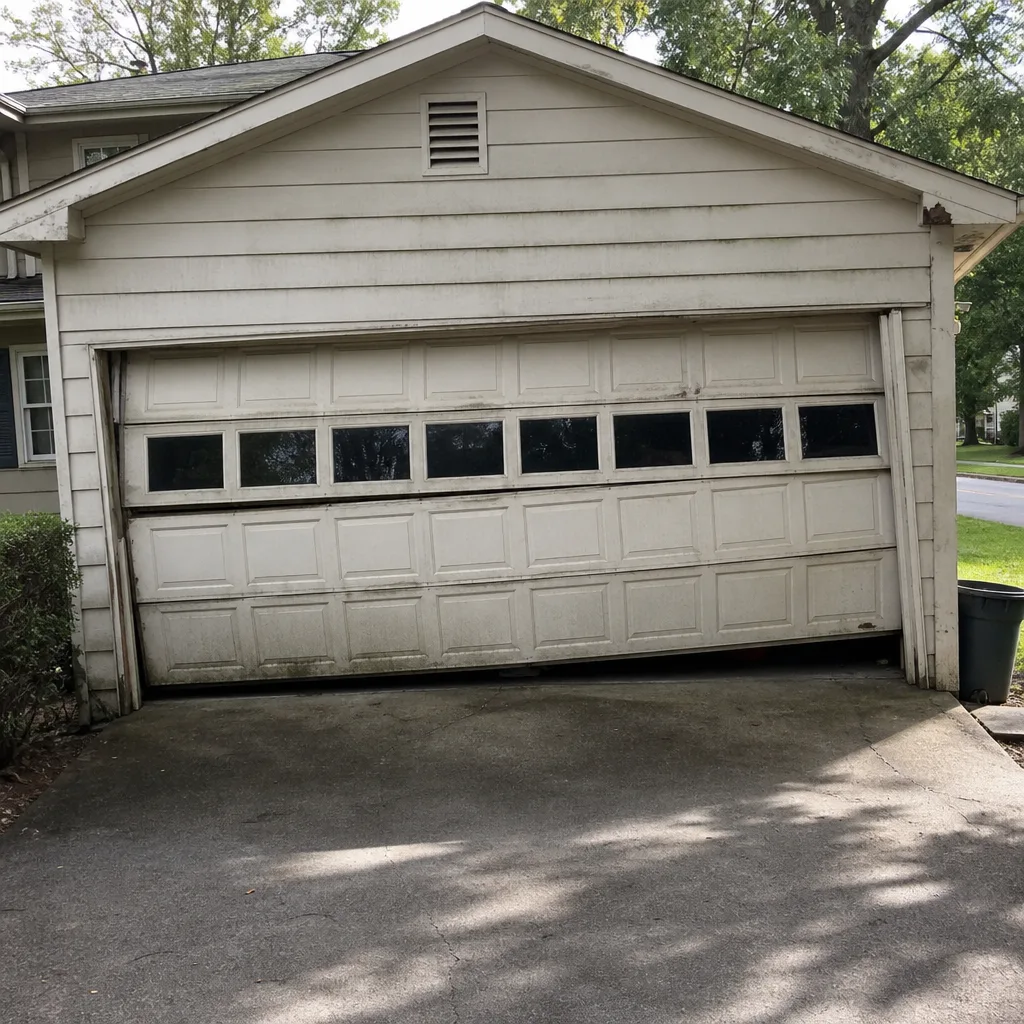 Before
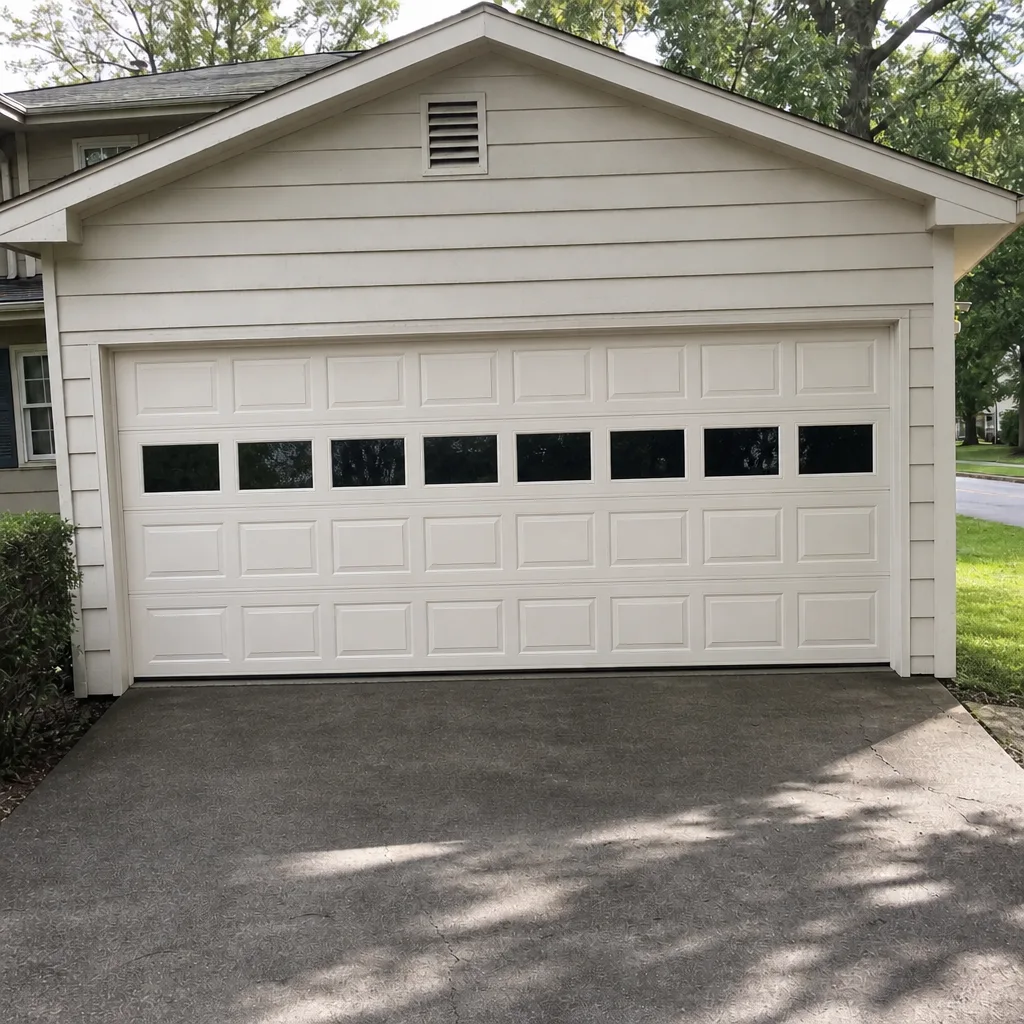 After
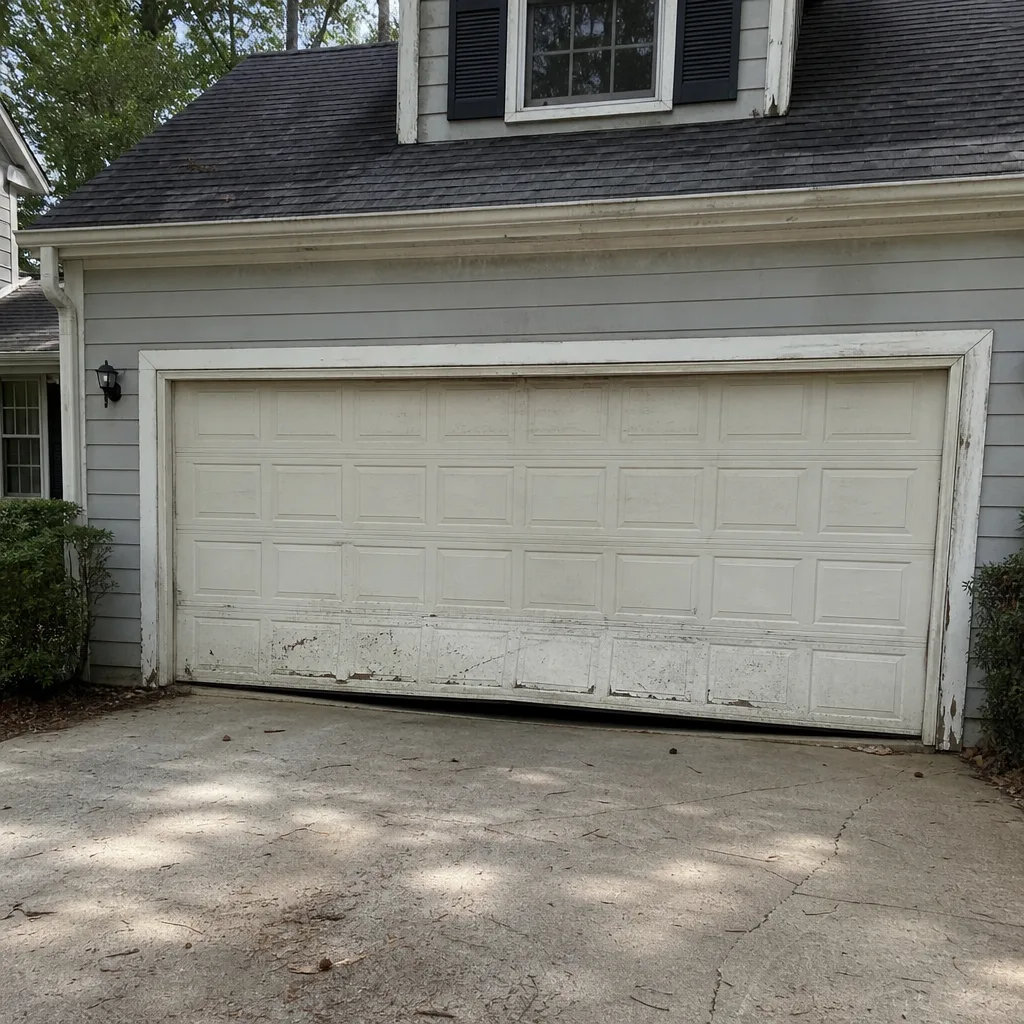 Before
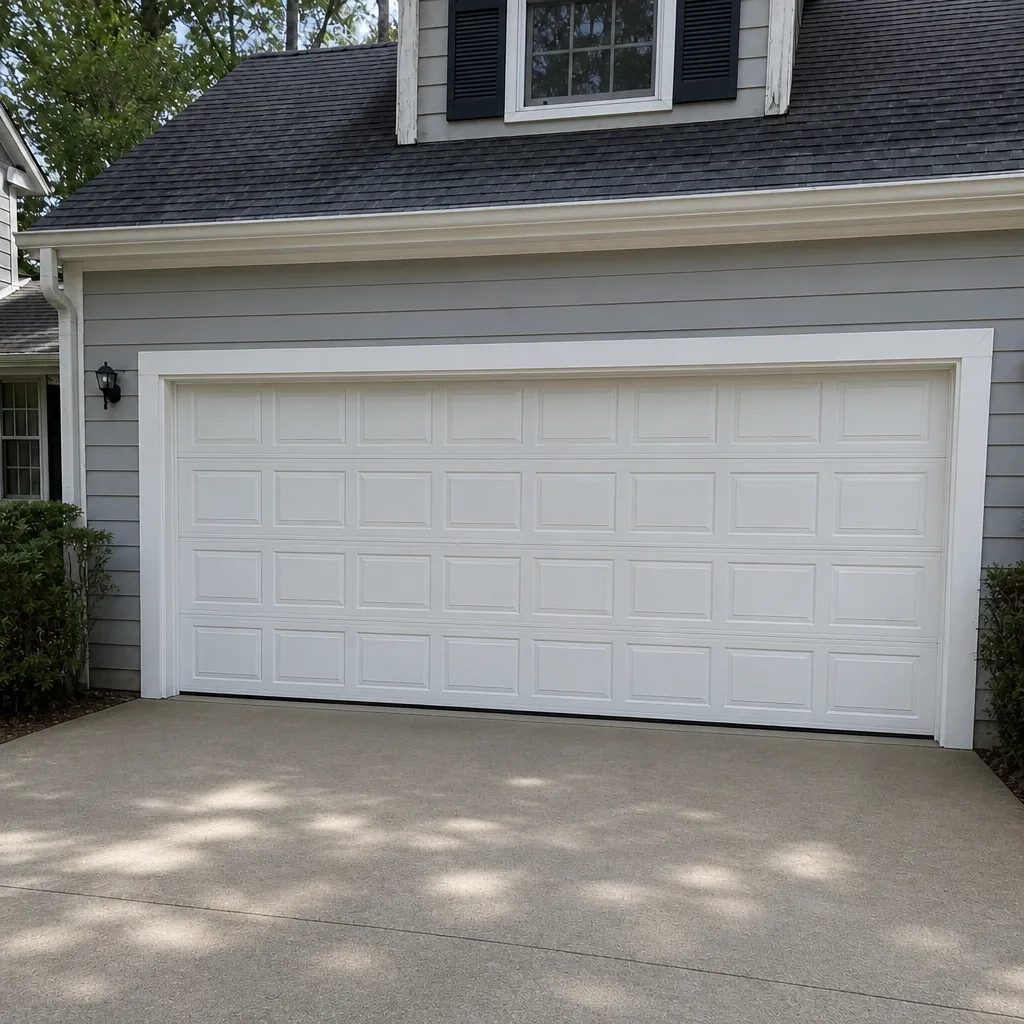 After
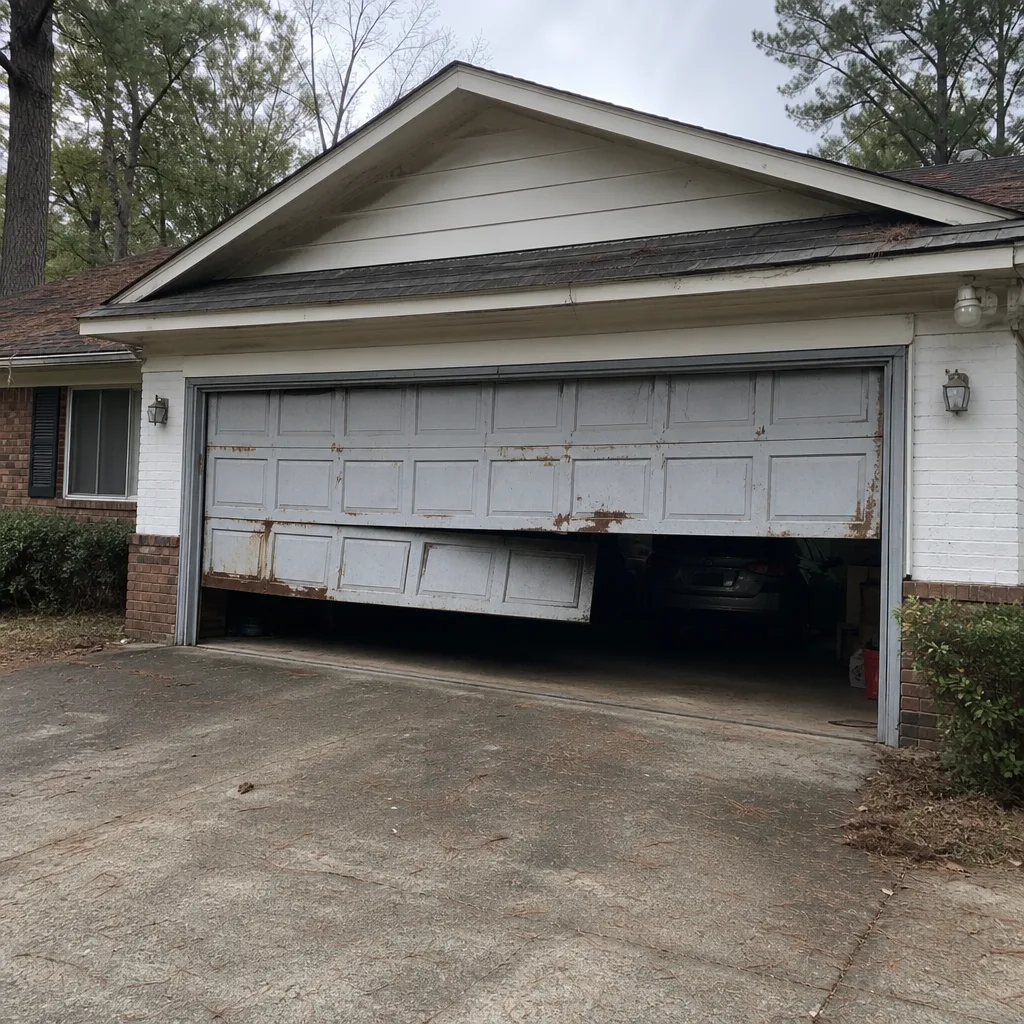 Before
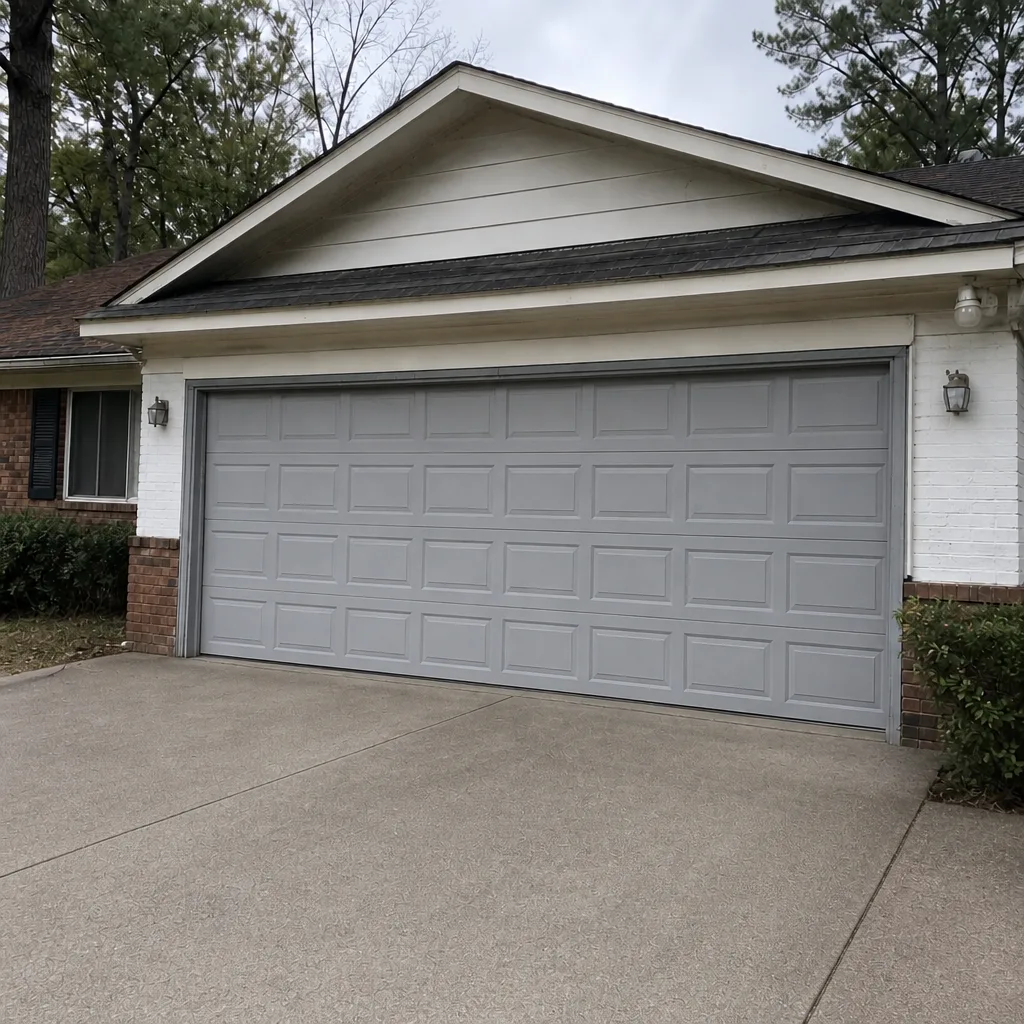 After
When to Call a Professional
Some seasonal tasks are fine for a homeowner: lubricant, debris clearing, seal inspection, safety sensor testing. Some are not. Call a trained technician when the door is out of balance, when the springs show rust or their coating is failing, when one cable looks looser than the other, when the door binds or twists in the track, when the opener’s force setting needs adjustment, or when a storm has left visible track or panel damage. Those are the jobs where a properly equipped technician, using the correct winding bars and the right brand-specific procedure on your LiftMaster, Chamberlain, Wayne Dalton, Raynor or Craftsman opener, makes the difference between a repair and a repeat repair.
Peachtree City Garage Door Repair offers free estimates in Peachtree City. Call (866) 937-8190. We answer 24/7. Fast dispatch from 7am to 7pm, Sunday through Friday.
Frequently Asked Questions
Seasonal maintenance costs vary by what’s found during inspection, and the written estimate sets the final price. The free estimate tells you exactly what needs attention before any work begins, so there are no surprises once the technician is there.
Same-day repair is available for storm-related and mechanical failures, and we offer emergency garage door service for cases where the door being stuck affects home security or access. Call (866) 937-8190 for a free estimate and same-day dispatch where possible.
No. The written estimate you receive after the door is inspected is the price. We don’t change the price after work starts. You agree to the quote before any work begins.
The local pro we connect you with is licensed and insured as the state of Georgia requires. Our technicians have up to 8 years of experience and work across LiftMaster, Chamberlain, Genie, Clopay, Amarr, Wayne Dalton, Craftsman and Raynor systems.
Yes, once a year at minimum, and ideally in fall before the first freeze. The force setting drifts out of spec as spring tension changes with temperature, so a unit calibrated in summer can be out of spec by January. That’s the safety adjustment most homeowners never make.
Colder temperatures stiffen springs and seals, which changes the door’s resistance profile without any actual mechanical failure. If the noise goes away on warmer days, it’s seasonal. If it persists, it needs a technician’s inspection. Call (866) 937-8190 for a free estimate.
The Bottom Line
Garage doors in Peachtree City don’t fail on a random schedule. They follow the seasons: humidity quietly degrades the hardware through summer, freeze events test seals and cables in winter, and storm season reshapes track alignment and opener calibration in spring. Fall is the highest-leverage window to make adjustments before cold weather arrives. The single most-skipped task is retesting the auto-reverse force setting, and it’s the one most worth fixing. Manage the door as a complete system across all four seasons, and you’ll spend your time on scheduled upkeep instead of emergency calls.
Call (866) 937-8190 for a free estimate. We answer 24/7. Fast dispatch from 7am to 7pm, Sunday through Friday. One call covers the whole garage door: springs, opener systems, repair and full installation.
Written by the team at Peachtree City Garage Door Repair.