
Last updated November 23, 2026
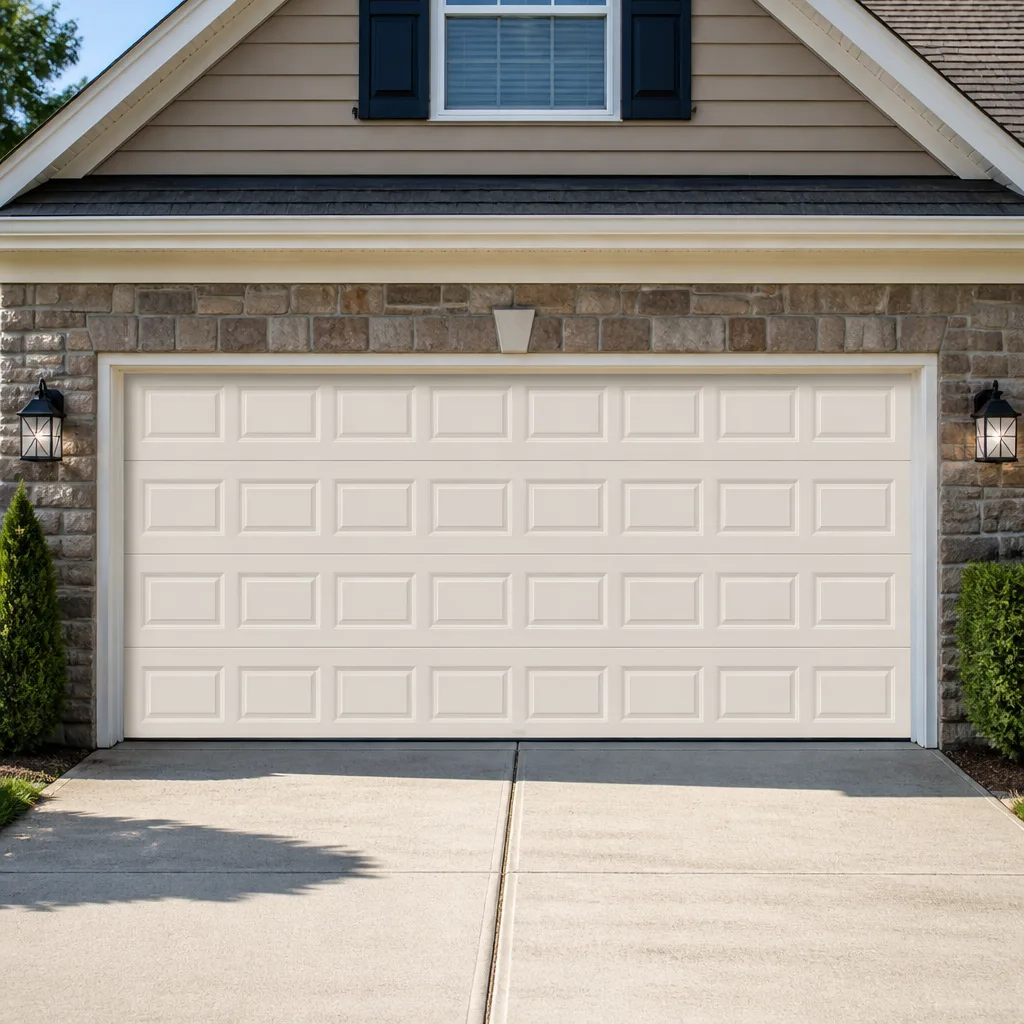 Raised-panel steel
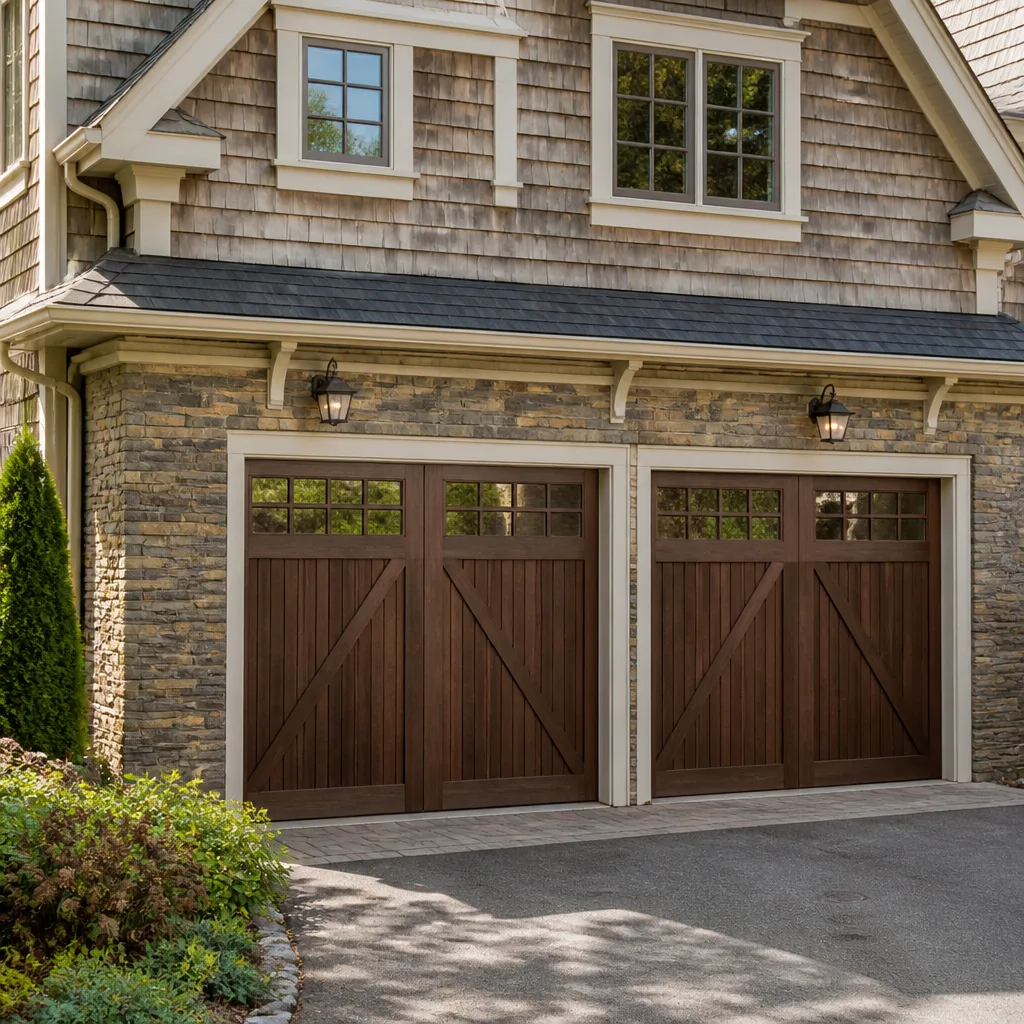 Carriage house
 Modern flush
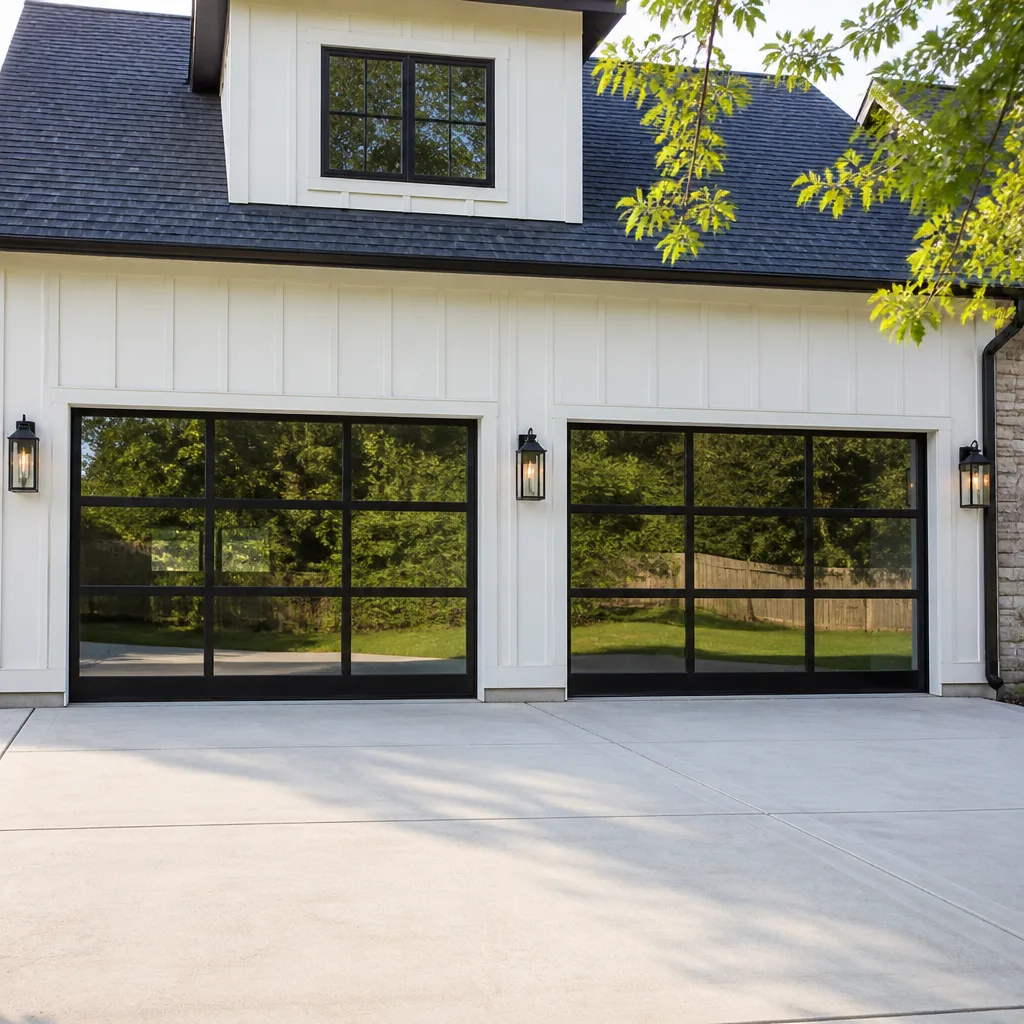 Full-view glass
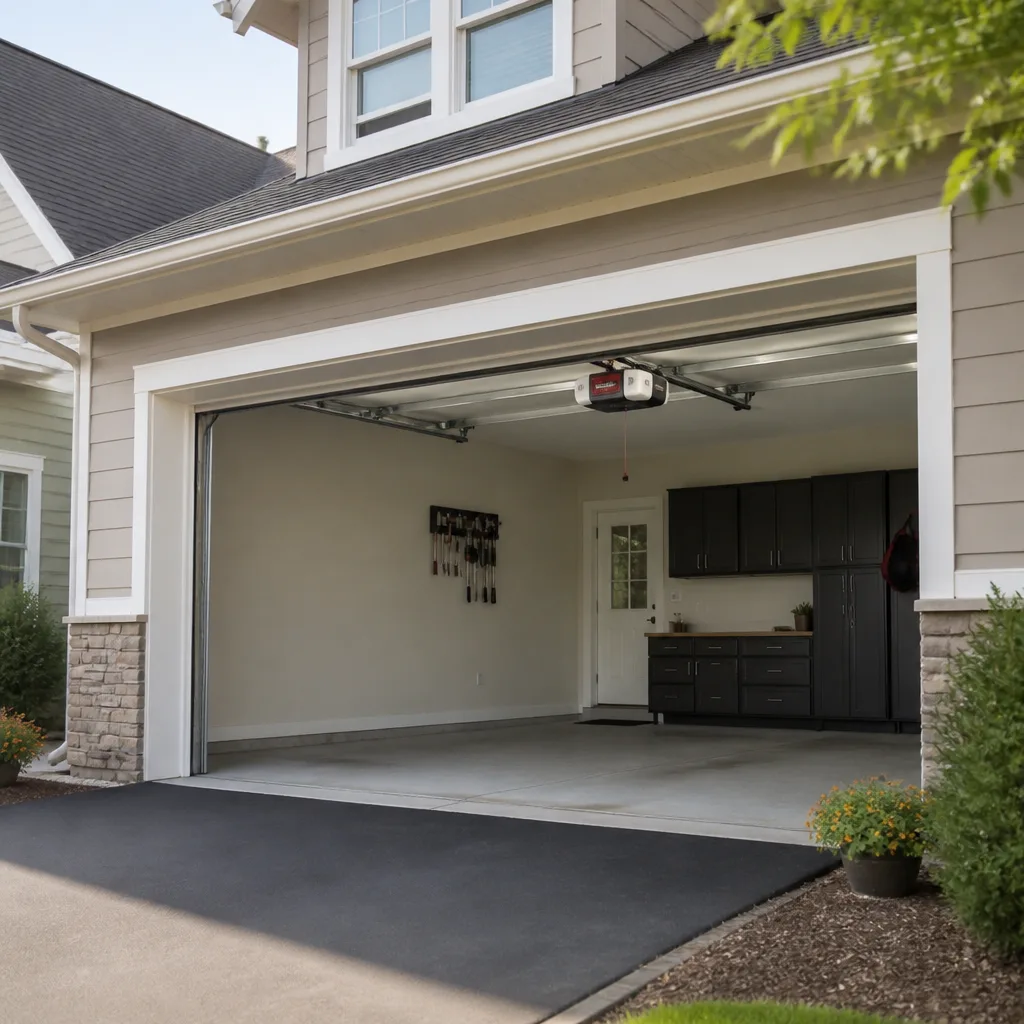 LiftMaster openers
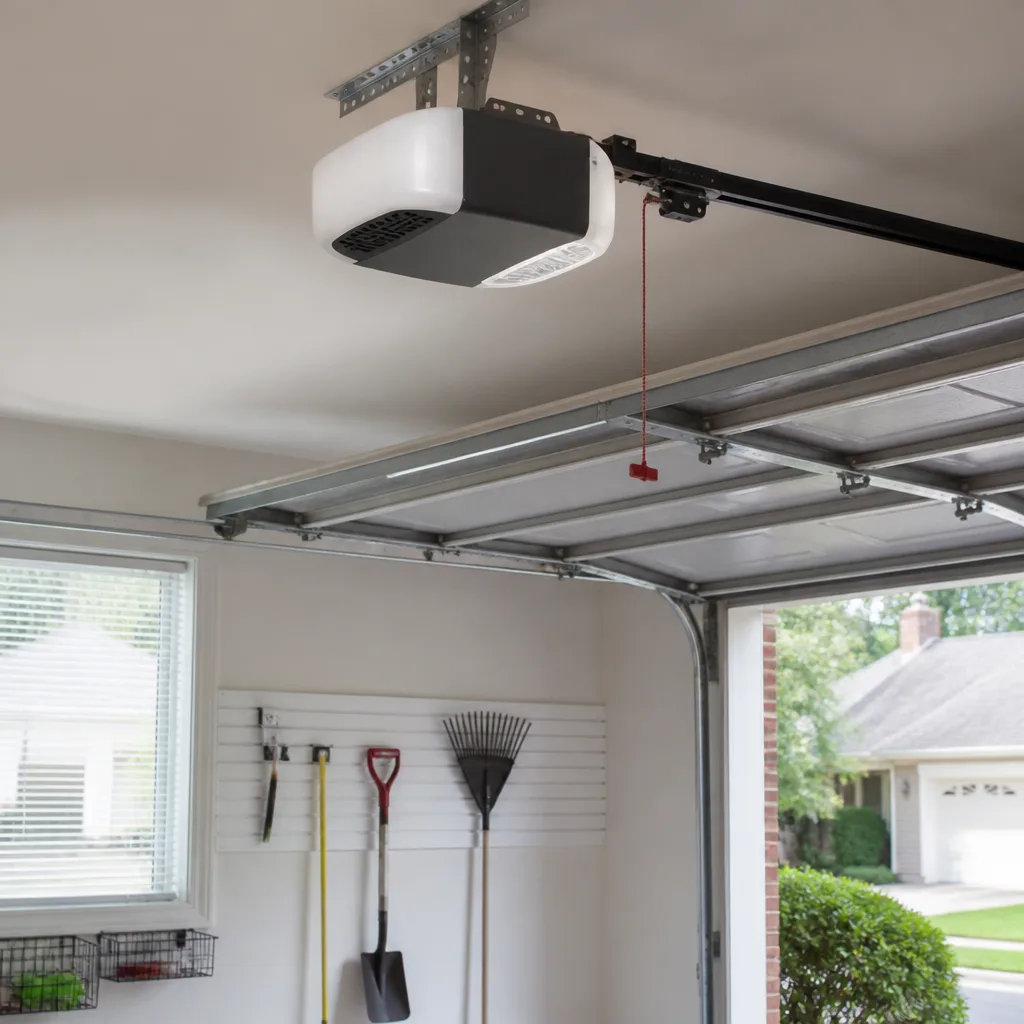 Chamberlain openers
Full 25-point door and opener safety check with every visit - springs, cables, rollers, tracks, and your LiftMaster or Chamberlain opener included
You get a price before we start. It does not change when the pro arrives.
Get your free estimateGarage Door Permits, Codes & Inspections in Peachtree City, GA: What You Need to Know
Most people assume a garage door is like a mailbox: you swap it out, nobody cares. That’s the misconception this guide exists to correct. In Peachtree City, replacing a door can move you out of “repair” territory and into “permit” territory, and the paperwork you skip today can turn into a problem during a home inspection years from now. We’re not saying every spring replacement needs a stamp from the city. We’re saying the line between what does and doesn’t is narrower than most homeowners think. Here’s how the process actually works, what inspectors look for, why your HOA has a say, and what to keep in a folder after the job is done.
Quick Answer
In Peachtree City, a garage door repair (springs, cables, rollers, opener, panels on the same frame) generally does not require a building permit. A full door replacement, a new opening, or any structural change to the frame or header usually does, because the work falls under Georgia’s residential building code and involves the door’s wind load rating. You may also need separate architectural approval from your HOA. When in doubt, ask the city’s building department before work begins and keep every approval document with your home records.
Styles & brands we work with
- Raised-panel steel
- Carriage house
- Modern flush
- Full-view glass
- LiftMaster openers
- Chamberlain openers
Table of Contents
- Repair vs. Replacement: Where the Permit Line Falls
- How Georgia’s Residential Code Applies to Your Door
- Wind Load Ratings and Fayette County’s Storm Season
- What an Inspection Actually Checks
- What Documentation to Keep After It Passes
- HOA Architectural Review vs. City Permit
- What Happens to an Insurance Claim After an Unpermitted Install
- The Step-by-Step Permit Process in Peachtree City
- Common Mistakes to Avoid
- When to Call a Professional
- Frequently Asked Questions
If you already know work is needed and just want the fix, you can skip ahead to garage door repair and we’ll walk you through the scope. If you’re planning paperwork and scheduling together, read on first.
Repair vs. Replacement: Where the Permit Line Falls
The permit question almost always comes down to one thing: are you replacing the door, or replacing parts of it? Most municipalities in Georgia treat these two situations differently, and Peachtree City is no exception. The trigger isn’t the cost of the work. It’s whether the structure of the opening changes or the rated door assembly is swapped out.
Here’s how we generally describe the split to homeowners planning work through us:
- No permit typically needed: spring replacement (torsion or extension), cable and drum replacement, roller and hinge replacement, opener repair or replacement on the existing track, weather seal and bottom seal replacement, and swapping a section panel onto the same rated frame assembly.
- Permit usually needed: installing a brand-new door on a new opening, replacing a full door assembly where the manufacturer’s rated label changes, modifying the header, changing the track height, or converting from a manual door to an opener on an older opening where the framing has to be reinforced.
The tricky middle ground is a same-size replacement of an existing door. Some jurisdictions treat that as a like-for-like swap with a simplified process. Others want the new door’s wind rating on file because the assembly’s rating label is what the inspector needs to verify. In Peachtree City, the safe move is to call the city’s building department, describe the exact scope, and ask. That single phone call saves weeks of confusion later.
If you’re not sure which side of the line your job sits on, describe it to us. We’ve walked homeowners in Peachtree City through this enough times to know the questions the city will ask. Get a free estimate and we’ll tell you what category your job falls into, in plain terms, before you commit to anything. For the pure repair cases we usually can get you garage door spring repair handled fast, no permit involved.
How Georgia’s Residential Code Applies to Your Door
Georgia’s residential building code is based on the International Residential Code (IRC). That matters for garage doors because the IRC treats the garage door as part of the building envelope, not as an appliance. It has structural requirements for how the door is anchored, how the track and jamb are tied to the framing, and how the door performs under wind pressure. When a permit is pulled for a replacement, the inspection is checking against those requirements, not against aesthetics.
Two parts of the code come up most often in Peachtree City garage door work:
- Anchoring and attachment. The door must be fastened to framing that is itself sound. If the jamb is rotted or the framing was never reinforced, the inspector will flag it, and the install has to be corrected before the permit closes.
- Labeled wind rating. The installed door must carry a manufacturer’s label showing its design pressure rating for the opening it’s installed on. A door that’s rated correctly on paper but installed with fasteners spaced wrong won’t pass, because the label only tells half the story.
That second point is why installers who know the code matter. When we work with a LiftMaster opener, a Raynor door, or a Wayne Dalton assembly, we’re matching the install to the rated configuration the manufacturer publishes, and we note it for the homeowner’s records. A general handyman who hasn’t handled a permitted install may not know the rating label needs to be on file, and the homeowner finds out during the inspection.
The code also touches the opener’s safety reverse function and the photo-eye clearance at the bottom of the door. Those aren’t usually part of the structural permit, but an inspector walking through a new install will often check them anyway. Our team treats them as part of every install because they’re part of how the door is supposed to work, not because an inspector asked.
Wind Load Ratings and Fayette County’s Storm Season
Peachtree City sits in Fayette County, and spring and summer storms here get serious. Straight-line winds and the occasional rotating system are the reason the IRC’s wind provisions exist for this region. A garage door is the largest single opening in most homes, and it’s the weakest structural point when wind pressure hits. An unrated or under-rated door can fail inward, and the pressure it lets into the house spreads to the roof and walls.
Here’s what that means for your project:
- The door you buy should be rated for the design wind speed assigned to your area. Your installer should be able to tell you which rating class they’re specifying and why.
- The rated install is about more than the door. It’s the door, the track, the jamb, the anchor spacing, and the hardware together, assembled the way the manufacturer publishes.
- If you’re replacing a door that’s older than the current code cycle, the new one will almost certainly need to meet a higher rating. That’s not a sales pitch; it’s what the inspector will check.
We’ve seen Peachtree City homes where the door itself was fine but the jamb was never reinforced to hold a rated assembly, which means even a properly rated replacement would fail inspection. Better to know that before you order the door than after. If your existing door looks storm-battered and you’re weighing repair against replacement, take a look at our Peachtree City garage door repair page for the parts-and-labor side of the decision.
What an Inspection Actually Checks
The inspection on a permitted garage door install is usually quick, but it’s not a formality. It’s the city confirming the door was installed the way the permit described. Here’s what the inspector is typically looking at:
- Door and frame alignment. The door should sit square in the opening with even gaps. A crooked install is the most common reason a job fails first pass.
- Fastener type and spacing. The anchor pattern must match the manufacturer’s published instructions for the rated assembly. Substituting screws or improvising spacing is a red flag.
- Rating label presence. The manufacturer’s rating label must be visible and legible on the installed door.
- Track and jamb condition. The framing the door attaches to has to be sound and properly reinforced.
- Opener safety. Safety reverse on contact and the photo-eye system should work as designed, if the job included an opener install.
- Weather seal and clearances. The door should seal against the floor and jambs reasonably, with no daylight gaps that suggest a misaligned install.
If the job fails inspection, the installer corrects the issue and requests a re-inspection. That’s a normal part of the process, but it’s the homeowner’s schedule that gets stretched. A crew that installs to the rated configuration the first time is the reason we rarely see that scenario on our installs.
What Documentation to Keep After It Passes
The inspection passing is the end of the city’s involvement, but it isn’t the end of your interest. Keep a folder. Years from now, when you sell your home, a buyer’s inspector will look at the garage door and may ask who installed it and whether it was permitted. The paperwork is the answer.
Here’s what we recommend every Peachtree City homeowner keeps together:
- The approved building permit number and the permit card or approval email from the city.
- The inspection sign-off, or a screenshot of the final inspection status from the city’s online portal.
- The manufacturer’s spec sheet for the door showing the wind load rating and installation requirements.
- The installer’s invoice with the door model and the opener model written out in full (e.g., a Craftsmanscraftsman or Chamberlain unit rather than just a model number).
- Your HOA’s architectural approval letter if one was required.
- Any photos of the finished install showing the rating label, the anchors, and the track assembly.
A single folder, physical or digital, covers all of that. It takes ten minutes to assemble and it’s worth gold the first time someone asks.
HOA Architectural Review vs. City Permit
Peachtree City has a large number of planned communities with active HOAs, and this is where a lot of replacement projects get confusing. The city and the HOA are two separate approvals that check different things. Neither one substitutes for the other.
The city cares about code compliance: is the door safe, rated, and installed to spec? The HOA cares about the look of the community: door style, panel design, color, and sometimes materials. An HOA can approve a door the city will fail on wind rating, and the city can approve a door the HOA will make you remove because it doesn’t match the neighborhood standard.
Here’s the order that works:
- Ask the HOA for the architectural review submittal requirements. Most will give you a form and a list of approved door styles or colors.
- Pick the door in an approved style that also meets the wind rating your city inspector will check.
- Submit the HOA application first if the HOA requires approval before work starts. Get it in writing.
- Pull the city permit for the install itself.
- Schedule the work once both approvals are in hand.
Some HOAs want a specific panel profile or color. If you’re weighing a Raynor or a Wayne Dalton door and one of them has an approved profile, that narrows the choice quickly. If your HOA is unusually strict, walk into the project knowing that, not discovering it mid-install. Getting a free estimate early means you know the total cost before the approvals process starts, which makes the whole thing easier to plan. When you’re ready to schedule the opener work too, our garage door opener repair page covers what’s involved.
What Happens to an Insurance Claim After an Unpermitted Install
This is the part homeowners ask about most, and the honest answer is: it depends on the policy, the adjuster, and what the damage is. There’s no single rule that says unpermitted work voids any claim. But an unpermitted install creates a real problem when a storm damages a door that wasn’t rated for the wind, and the resulting damage spreads to the structure, a car parked inside, or the roof above.
What typically happens in that situation:
- The adjuster asks whether the door was permitted and rated for the design wind speed. That question comes up early in a claim on the garage opening.
- If there’s no permit record and no rating label, the adjuster has grounds to question whether the assembly was built to code at the time of the loss.
- If the insured improvement is judged noncompliant, the claim can be reduced or denied for the noncompliant portion. That doesn’t automatically wipe out unrelated damage, but it creates friction.
- Even when the claim goes through, the paperwork trail from a permitted install makes the process faster and less disputed.
This isn’t a scare tactic. It’s a fair read of how claims processes work. The permit and the rating label are the two pieces of evidence that show the door was installed the way the code required, and that’s what an adjuster needs to close a claim without argument. Keeping that folder from the previous section is the easiest way to avoid the conversation entirely.
The Step-by-Step Permit Process in Peachtree City
Here’s the sequence most Peachtree City homeowners follow for a permitted garage door replacement:
- Confirm the scope. Decide whether your job is repair or replacement. If your installer tells you a permit isn’t required, get it in writing so you have it on file.
- Call the city’s building department. Describe the door, the opening, and the rating. Ask what the permit application requires for a residential door replacement.
- Check HOA requirements. Get the architectural review form and the approved style or color list, if the community has one.
- Order the rated door. Pick a door that meets the wind load requirement for your area and the HOA’s aesthetic list, if there is one.
- Submit the permit application. Include the spec sheet, the installation instructions, and the contractor information.
- Pull the permit. Work cannot begin until it’s issued. This is where jobs done “on a handshake” go wrong.
- Install. The installer follows the rated configuration the manufacturer publishes and documents the install for the inspection.
- Schedule and pass inspection. The city inspector reviews the install. Keep the sign-off.
- File the folder. Permit number, inspection sign-off, spec sheet, invoice, HOA approval, and photos in one place.
The timeline depends on the city’s current workload and the HOA’s review schedule, and we don’t guess at either. Ask the city when you call, and check with your HOA on their turnaround. The estimate from us is free, and we’ll tell you upfront which steps apply to your project so you’re not calling around to figure it out. For the installation side of the puzzle, see our garage door repair guide for full scope.
Common Mistakes to Avoid
- Assuming a replacement doesn’t need a permit because it’s the same size. Same size doesn’t mean same rated assembly. The new door’s rating label is what the inspector wants to see, and it’s different from the old door’s.
- Letting an installer skip the HOA application because “the city approved it.” The city and the HOA are separate approvals. HOA removal orders happen, and a re-do is expensive.
- Hiring a general handyman for a permitted install. A handyman may not know the rated assembly details the inspector checks. The job fails, the correction costs more than hiring a specialist the first time would have.
- Not keeping the inspection sign-off. Few homeowners think about a home sale five years out. The buyer’s inspector will, and the missing paperwork is the difference between a clean close and a repair negotiation.
- Replacing a door with an unrated assembly to save budget. In Fayette County’s storm corridor, the difference in cost between a rated door and an unrated one is small next to the insurance argument after a storm.
- Forgetting the opener’s safety reverse and photo-eye on an install. Even if the permit is closed, a non-functioning safety reverse is a real hazard, particularly with kids and pets in the driveway.
- Starting work before the permit is issued. It’s the fastest way to add delay and cost. The permit needs to be in hand before the first anchor goes in.
When to Call a Professional
If you’re reading this because a spring snapped and the door won’t open, call now. Torsion and extension springs store enough energy to injure a person badly, and there’s no safe DIY version of that job. If the opener has died and the door is stuck, that’s a same-day repair in most cases. If you’re planning a replacement or a new install, call early. The permit and HOA process goes faster when the door choice and the paperwork are settled before the install date, and the written estimate you get from us is the number you’ll pay. Peachtree City Garage Door Repair offers free estimates in Peachtree City and works on systems from LiftMaster, Chamberlain, Genie, Clopay, Amarr, Wayne Dalton, Craftsman, and Raynor. Call (866) 937-8190. We answer 24/7. Fast dispatch from 7am to 7pm, Sunday through Friday.
Frequently Asked Questions
Usually yes, if you’re replacing the full door assembly. A repair that keeps the existing rated frame and swaps springs, cables, rollers, or the opener generally does not need a permit. The confirmation step is a call to the city’s building department with the specific scope. If your installer tells you no permit is required, ask for that in writing so you have it on file. Call (866) 937-8190 for a free estimate on the repair or replacement itself.
Timing depends on the city’s current workload, so we don’t guess at a number. Plan for the permit to be issued before work starts, and check with your HOA about their review schedule too, since the approvals can run in parallel. The single biggest speed factor is having the rated door spec sheet ready when you apply. Call (866) 937-8190 and we’ll tell you what documentation we provide for the application.
No. The HOA reviews style and appearance, and the city reviews code compliance and wind rating. They’re separate approvals, and you typically need both for a full replacement. Skipping either one can cost you a re-do. Call (866) 937-8190 for a free estimate that includes the scope the city will check.
The rating is set by the design wind speed assigned to your location under Georgia’s residential code, which is based on the IRC. Your installer should be able to tell you which class they’re specifying and show you the manufacturer’s label. Don’t guess at this number; ask the building department for your area’s requirement. Call (866) 937-8190 and we’ll walk you through the options for your opening.
Not automatically, but a non-permitted install with no rating label gives the adjuster grounds to question whether the assembly was built to code at the time of loss, and that can reduce or deny the noncompliant portion of a claim. The permit and rating label on file make the claim process much smoother. We can help you get the install documented properly. Call (866) 937-8190 for a free estimate.
The installer corrects the issue and requests a re-inspection. It’s a normal part of the process, but the correction and the re-inspection add time. A crew that installs to the rated configuration the first time avoids the scenario almost entirely. Call (866) 937-8190 for a free estimate and we’ll confirm the install details upfront.
Opener replacement on an existing door usually doesn’t require a building permit, since it’s not a structural change to the opening. That said, the new opener has to meet the safety reverse and photo-eye requirements of the code, and it should be compatible with the door’s balance. Replacing an opener on a door that has a broken spring is a recipe for a burned-out motor. Call (866) 937-8190 for a free estimate on the opener and we’ll check the door’s balance at the same time.
The Bottom Line
In Peachtree City, garage door repairs are usually permit-free, and full replacements usually aren’t. Georgia’s IRC-based code wants the installed door to carry a rated label and be anchored to sound framing, and the city inspector is going to check both. Your HOA’s architectural review is a separate approval, not a substitute, and you’ll want both before work starts. Keep every document together after the inspection, because the value of that folder shows up during a home sale or an insurance claim. If you’re weighing a repair against a replacement, or you want the install done to the rated configuration the first time, call us. Peachtree City Garage Door Repair offers free estimates, we work on systems from LiftMaster, Chamberlain, Genie, Clopay, Amarr, Wayne Dalton, Craftsman, and Raynor, and our technicians have up to 8 years of experience. Our pricing is set per job by a written estimate you approve before any work begins. Call (866) 937-8190. We answer 24/7. Fast dispatch from 7am to 7pm, Sunday through Friday.
Written by the team at Peachtree City Garage Door Repair.
See the difference
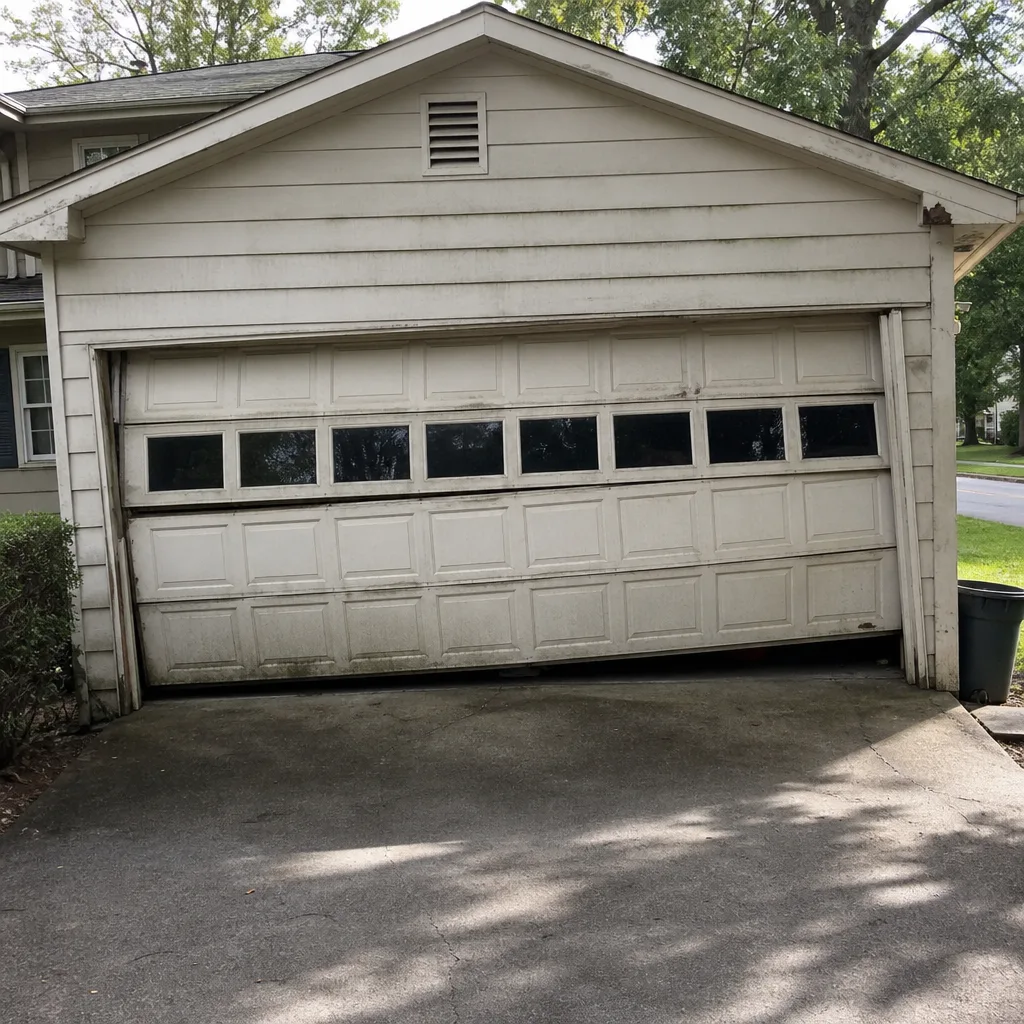 Before
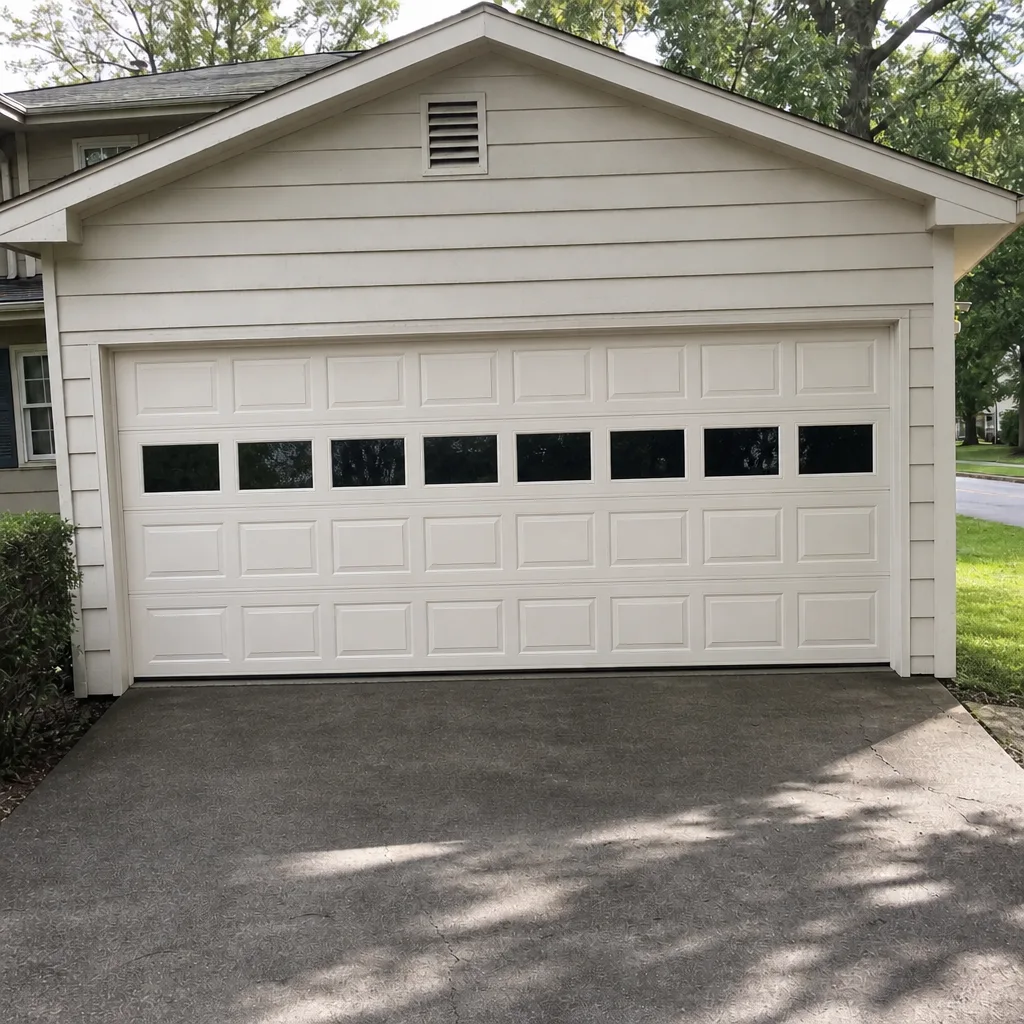 After
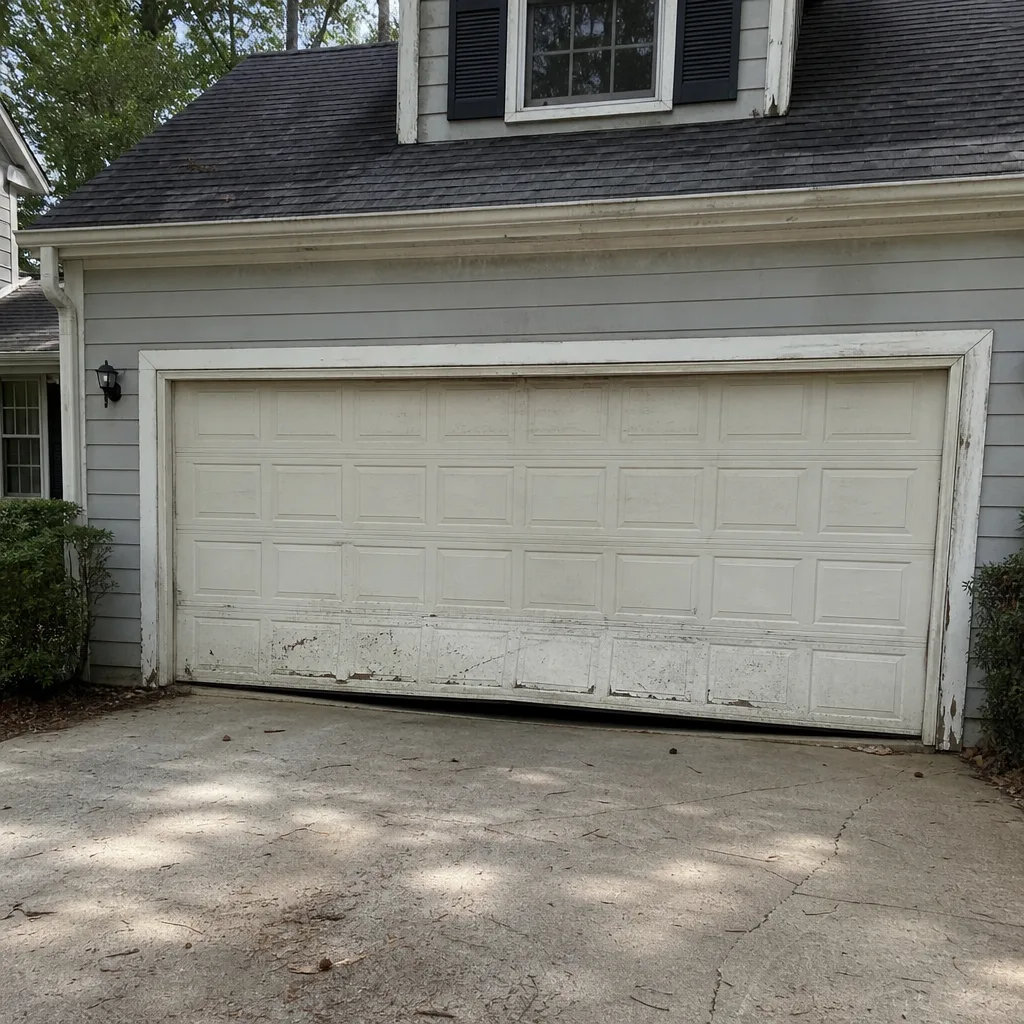 Before
 After
 Before
 After